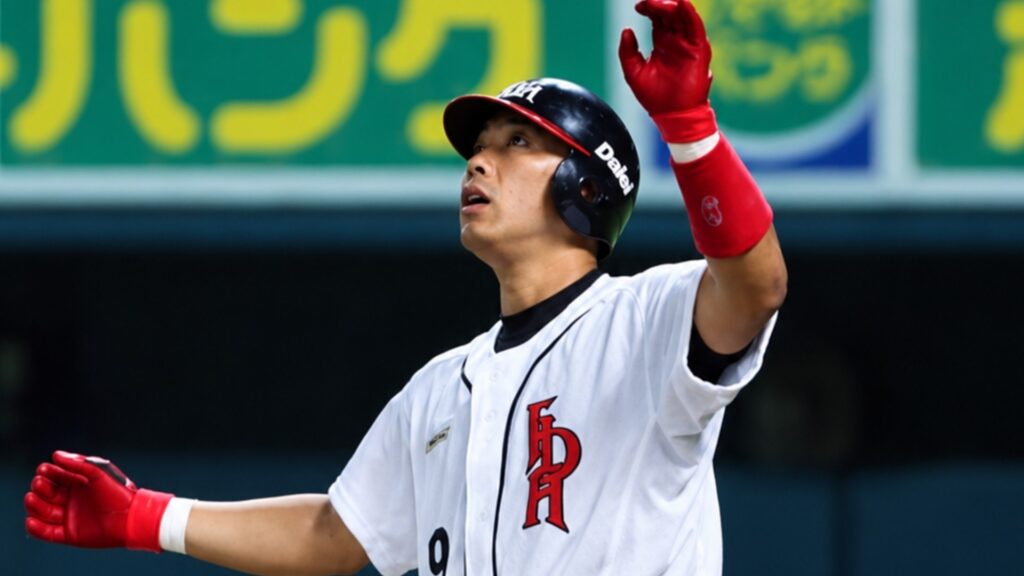
When it comes to power and home runs, 500 is the magic number in America. 28 different players have reached the milestone in major league history, from Eddie Murray to Harmon Killebrew to Barry Bonds. Eight players in Japan have reached the number, with Sadaharu Oh holding the world record at 868 round trippers.
In Japan, the magic home run number is 400. Professional baseball got a later start in Japan than in America, and schedules in NPB are shorter. Only 20 players have hit 400 or more in the history of Japanese baseball. Everybody knows Oh, but what about the players who sit behind him on the list?

The Secret to 413 Home Runs
Someone once asked Hiroki Kokubo to explain the towering, looping home runs that had become his signature. His answer was simple: a home run wasn’t an extension of a base hit — it was an extension of the swing.
Kokubo wasn’t a contact hitter who occasionally got enough of one to clear the fence. He was a one-legged, uppercutting slugger by choice, swinging to create loft. He hit 413 home runs that way, most of them while manning the hot corner for the Daiei and later the SoftBank Hawks.
One of the defining moments of his career came on September 25, 1999, at Fukuoka Dome. The Hawks were one win away from their first pennant since moving from Osaka, but Kokubo’s season had been a struggle. Playing through a surgically repaired shoulder, he was hitting just .170 at the All-Star break and had even asked manager Sadaharu Oh to remove him from the cleanup spot.
Oh refused, telling Kokubo to fix his timing instead.
He did. Kokubo hit close to .300 the rest of the way, and with the Hawks trailing by a run in the seventh inning that September night, he turned on a pitch and sent it into the seats. He flipped his bat and thrust his left hand into the air as Fukuoka Dome erupted. Kokubo later described the full-body shiver that followed as the single most electric moment of his career.
Kokubo’s Origins
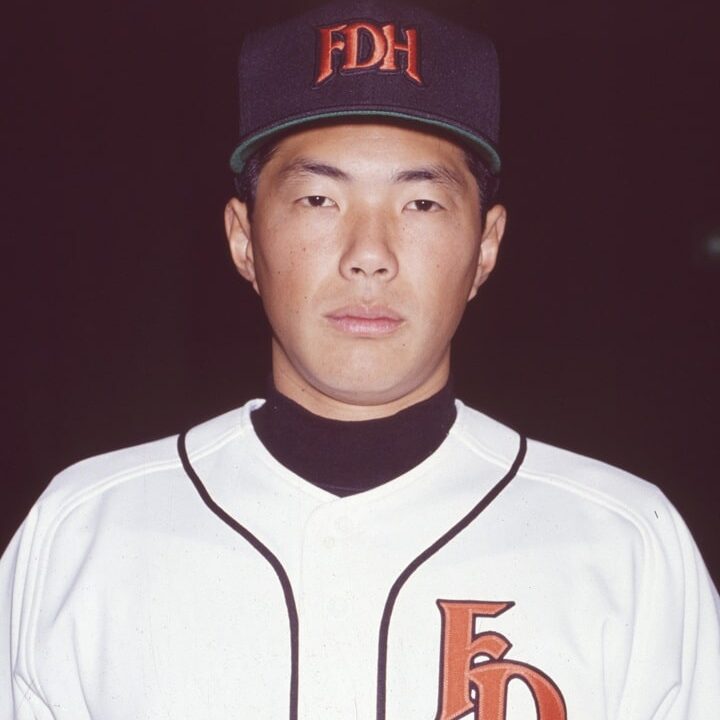
Kokubo’s mother, a pharmacist, raised him and his brother alone after his parents divorced. She pushed him into a demanding baseball league that he wanted to quit almost immediately. Instead, he eventually became captain of every team he played for, from elementary school through college.
At Aoyama Gakuin University, Kokubo was the only collegiate player selected to Japan’s 1992 Olympic team. He drove in the go-ahead runs in an upset victory over a Team USA lineup featuring future MLB stars Nomar Garciaparra and Jason Giambi, helping Japan win a bronze medal. The following year, he captained Aoyama Gakuin to its first national championship before the Hawks selected him in the second round of the 1993 NPB Draft.
His rookie season was unremarkable, as he hit .215 in 78 games. That offseason, the Hawks sent him to the Hawaii Winter Baseball League, where he won the batting title and a league championship.
In the deciding game, with newly appointed Hawks manager Oh watching from the stands, Kokubo homered. He later pointed to that moment as the first time he truly believed his swing could work at the professional level.
Oh took over the Hawks in 1995, and Kokubo took over second base. He immediately broke out, leading the Pacific League with 28 home runs while also pacing the circuit in triples and slugging percentage. He earned his first Golden Glove and Best Nine selections.
Two years later came the best season of his young career: a .306 average, 36 home runs, and a league-leading 114 RBI. That same year, he appeared on a poster alongside Hideki Matsui, billed as the Central League’s Matsui and the Pacific League’s Kokubo. Years later, the pairing would prove oddly prophetic.
But that offseason brought the lowest point of Kokubo’s young career. A tax-evasion investigation involving a group of NPB players identified Kokubo as its most prominent figure. He was convicted in January 1998 of evading roughly $215,000 in taxes through falsified receipts, receiving a suspended sentence and a fine. NPB also suspended him for eight weeks.
Between the suspension and a shoulder injury, Kokubo appeared in only 17 games that season and was permanently moved away from second base.
A Hawks Star
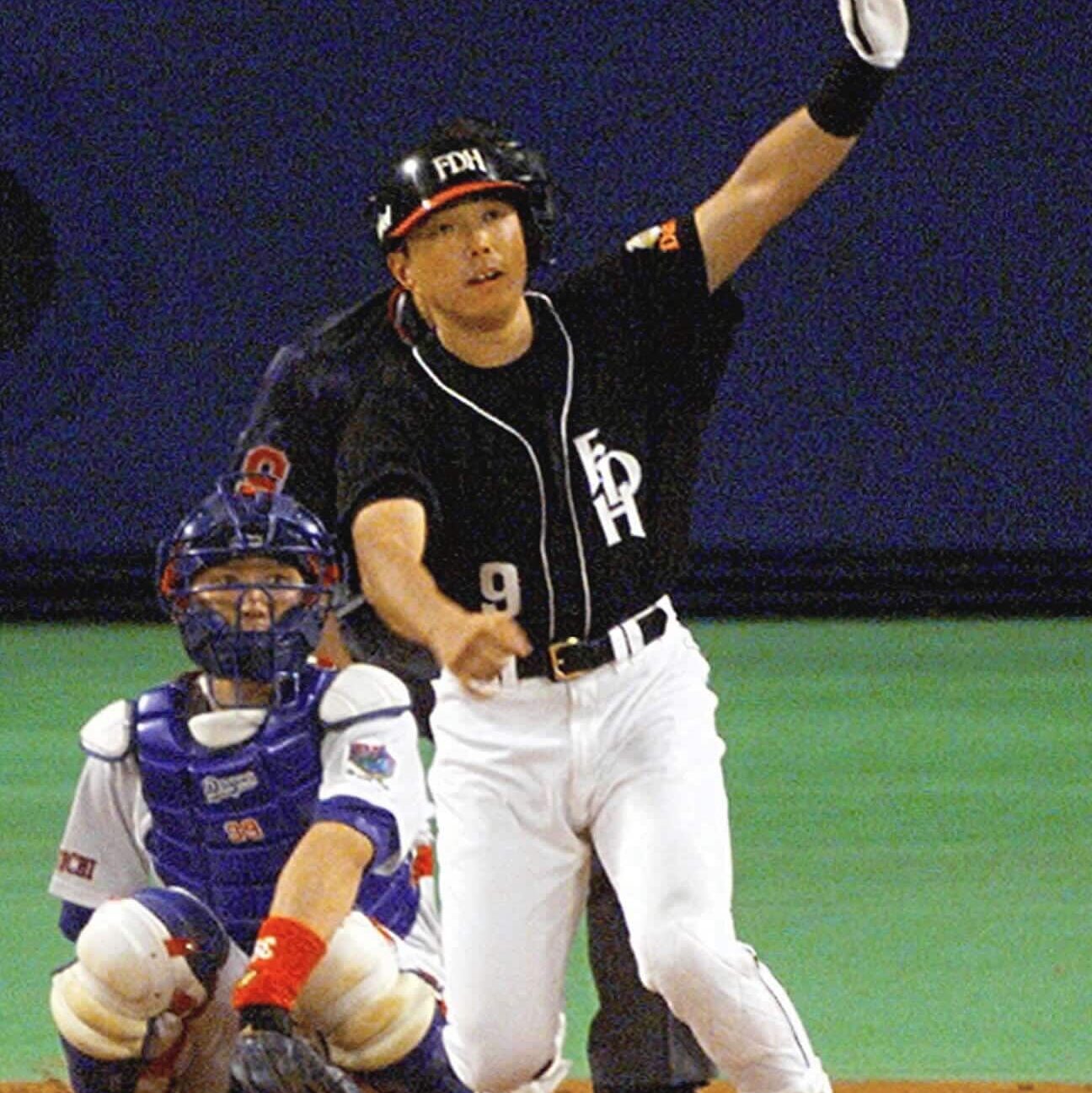
His comeback came in 1999, culminating in that pennant-clinching home run and the Hawks’ Japan Series victory over the Chunichi Dragons. Earlier that year, he also hit an inside-the-park grand slam, just the seventh in NPB history. Teammate Koji Akiyama added a conventional grand slam in the same inning, marking only the second time in league history that two grand slams had been hit in the same half-inning.
The Hawks repeated as Pacific League champions in 2000. Now a full-time third baseman, Kokubo again homered to help clinch the pennant, setting up a highly anticipated Japan Series between Oh’s Hawks and Shigeo Nagashima’s Yomiuri Giants.
Kokubo overtrained before the series and tore an oblique, but tried to play through pain so severe that he could barely breathe between games. The Hawks won the first two games in Tokyo before dropping four straight, leaving Kokubo to watch the Giants celebrate from the bench.
His 2001 season may have been his greatest pure power campaign. Kokubo hit .290 with a .600 slugging percentage, 44 home runs, 123 RBI, and 321 total bases. It was the first 40-homer season by a Hawks hitter since Daiei purchased the franchise.
Unfortunately for Kokubo, it coincided with Tuffy Rhodes’ historic 55-homer season, leaving him fourth in the league. Coming close without quite taking the crown became something of a theme: he had finished one homer shy of the league lead in 1997 despite winning the RBI title, and missed out on a Best Nine selection in 2000 despite ranking third in RBI.
That 2001 Hawks lineup also became the first in Pacific League history to have four Japanese-born players hit at least 30 home runs: Kokubo, Nobuhiko Matsunaka, Kenji Johjima, and Tadahito Iguchi.
Kokubo reached 30 homers for a third consecutive year in 2002 and collected his 1,000th career hit along the way. Then, during a spring training game in March 2003, he collided with a catcher at home plate and tore his ACL, MCL, and meniscus. His season was over before it began.
The Hawks went on to win both the pennant and Japan Series without him. The celebration would be short-lived.
According to Kokubo, the club had promised to cover the cost of his treatment in the United States, then reneged. He also heard that people within the front office were saying the Hawks had won because he wasn’t in the lineup, and that his presence made the other hitters tense. Between the financial dispute and those rumors, Kokubo told the club to get him out.
The day after Daiei’s championship parade through Fukuoka, the Hawks held a press conference and announced that Kokubo had been sent to the Yomiuri Giants for nothing. No players came back. No cash changed hands.
Oh, who had been informed only shortly beforehand, publicly warned that allowing a team to give away a player’s rights for nothing could lead to the club’s collapse. Kokubo’s teammates were furious enough to boycott their own championship trip.
The Giants Years and a Return Home
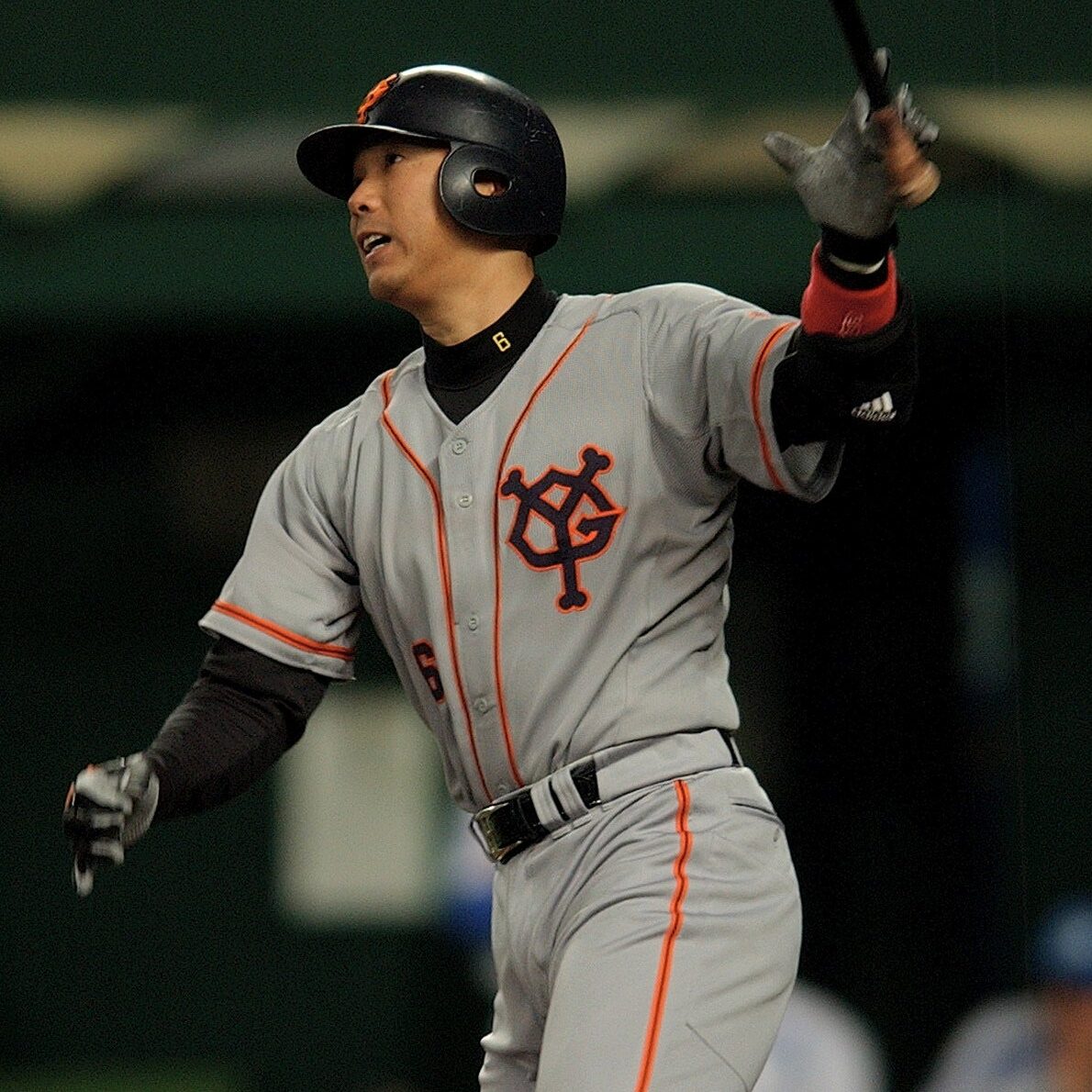
The Giants, meanwhile, had a massive hole to fill after Hideki Matsui departed for the New York Yankees following the 2002 season. Kokubo — once marketed as the Pacific League’s answer to Matsui — was a natural fit.
Still wearing a knee brace, he returned in 2004 and blasted 41 home runs, becoming the first right-handed hitter in Giants history to top 40 in a season. He was named Comeback Player of the Year.
In 2006, Yomiuri named him team captain, making him the first player acquired from outside the organization to receive the honor. But a torn thumb ligament in June derailed his season, and it proved to be his last with the Giants.
That November, Kokubo exercised his free-agent rights and returned to the Hawks, now under SoftBank ownership. Oh, still recovering from stomach surgery, personally appeared at the earliest moment negotiations were permitted to begin. Kokubo later said the gesture mattered more than the money.
Back in Fukuoka, he led the Hawks in home runs and RBI in 2007 despite playing through a fractured rib. He moved to first base the following season as Nobuhiro Matsuda took over third, then was named captain again in 2009 under new manager and former teammate Koji Akiyama.
In 2010, Kokubo hit cleanup on Opening Day for the first time in eight years and helped the Hawks win their first pennant in seven seasons. He also won a Golden Glove at first base, 15 years after winning his first at second — still the longest gap between Golden Gloves in NPB history.
The punishment continued in 2011. Kokubo broke a bone after being hit by a pitch on Opening Day, returned just 10 days later, and delivered a walk-off hit in his first at-bat back — the 10th walk-off hit of his career.
A Lasting Legacy
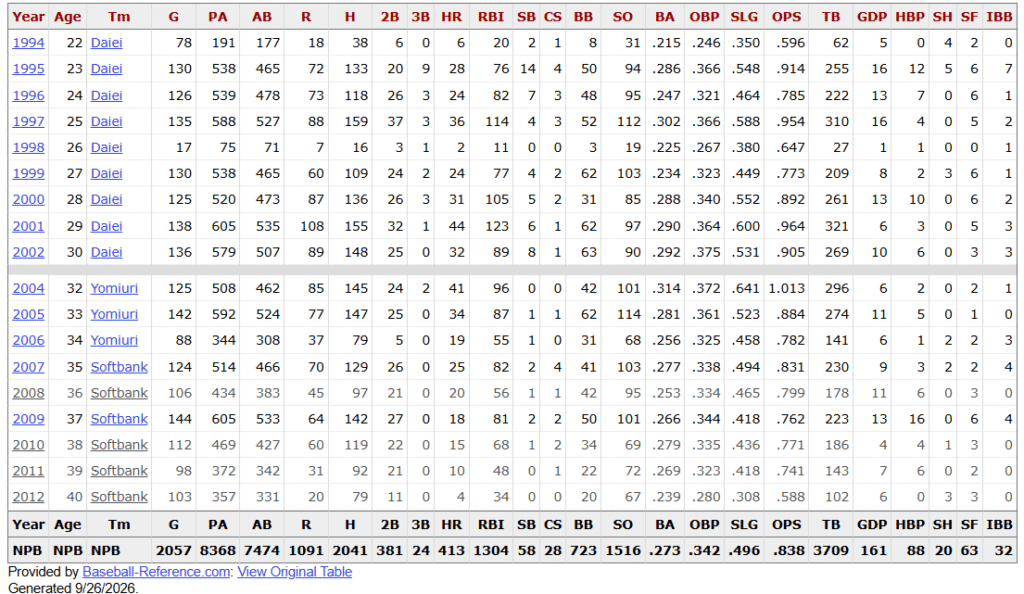
In May, he hit his 400th career home run, becoming the 16th player in NPB history to reach the milestone. He later broke a rib and battled neck pain, but still appeared in every game of that year’s Japan Series.
Kokubo hit .320 as SoftBank defeated Chunichi for its first Japan Series championship in eight years. At 40 years and one month old, he was named Japan Series MVP, becoming the oldest player ever to win the award. One major milestone remained.
Neck surgery and a herniated disc left Kokubo stuck on 1,999 hits for more than a month in 2012 before he finally collected No. 2,000 in June. He announced his retirement that August and played his final regular-season game on his 41st birthday.
The day before, Kokubo had asked opposing starter Yuki Nishi not to do him the courtesy of grooving fastballs in his farewell game. Nishi obliged him with a genuine effort. He threw a no-hitter.
Kokubo finished his career with 2,041 hits, 413 home runs, 1,304 RBI, and a .273/.342/.496 slash line across 2,057 games. He ranks 17th all-time in both home runs and RBI, is one of a select group of Japanese players to hit at least 40 home runs in a season in both leagues, and is one of only five university-drafted players to reach both 400 homers and 2,000 hits.
His aggressive approach came with plenty of misses. Kokubo struck out 1,516 times, 11th-most in NPB history, and readily acknowledged his weakness: an outside slider he never quite learned to leave alone.
But when he connected, few hitters of his generation could match the result. Kokubo hit 13 career grand slams, tied for fourth-most in NPB history, and his teams went 12-1 in those games.
Oh once described Kokubo as the closest thing to an old-fashioned samurai spirit he had ever coached. At Kokubo’s retirement, Oh personally presented him with his Meikyukai, or Golden Players Club, blazer.
Retirement did not take Kokubo away from Japanese baseball for long. He managed Samurai Japan from 2013 to 2017, leading the national team to third place at the inaugural Premier12 in 2015, before eventually returning to the Hawks organization.
SoftBank named him manager ahead of the 2024 season. The Hawks immediately went an NPB-best 91-49-3, only to suffer an upset loss to the Yokohama DeNA BayStars in the Japan Series.
During the offseason, after watching a documentary about the team, Kokubo stood up and promised that they would win it all in 2025. This time, they did.
SoftBank defeated the Hanshin Tigers in the Japan Series, giving Kokubo a championship as a manager more than a quarter-century after his first as a player.
After everything — the championships, injuries, controversy, the stunning departure from Daiei, and his eventual return — Kokubo said he was glad he had chosen the team in Fukuoka.
