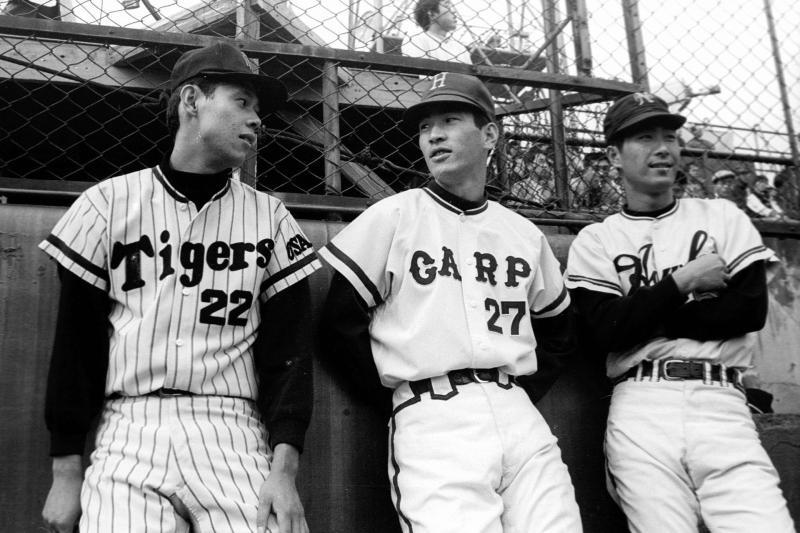
The 1968 NPB Draft stands among the greatest talent hauls in professional baseball history. Nearly six decades later, it remains difficult to find another draft that produced so many stars in a single year.
It was only the fourth draft in NPB history, but the class would produce a remarkable collection of franchise icons, Hall of Famers, and future champions.
The 1968 draft also marked the first time the proceedings were open to the media rather than held behind closed doors. Journalists packed the Nippon Life Convention Hall (Nissei Kaikan) to cover the event.
As in any draft, there were consensus top prospects, particularly the Hosei University trio of Koji Yamamoto, Koichi Tabuchi, and Masaru Tomita. Meiji University ace Senichi Hoshino also attracted interest from several teams.
Unlike today, when multiple clubs can select the same player in a round and settle the rights through a lottery, NPB randomized the draft order itself. A lottery established the order, which reversed in even-numbered rounds to limit the advantage enjoyed by teams picking early.
For example, the Toei Flyers held the first, 24th, 25th, and 48th overall picks, much like a snake draft in fantasy sports.
With that out of the way, let’s revisit the first-round picks and several other notable selections.
Round 1: Pick 1: Yutaka Ohashi
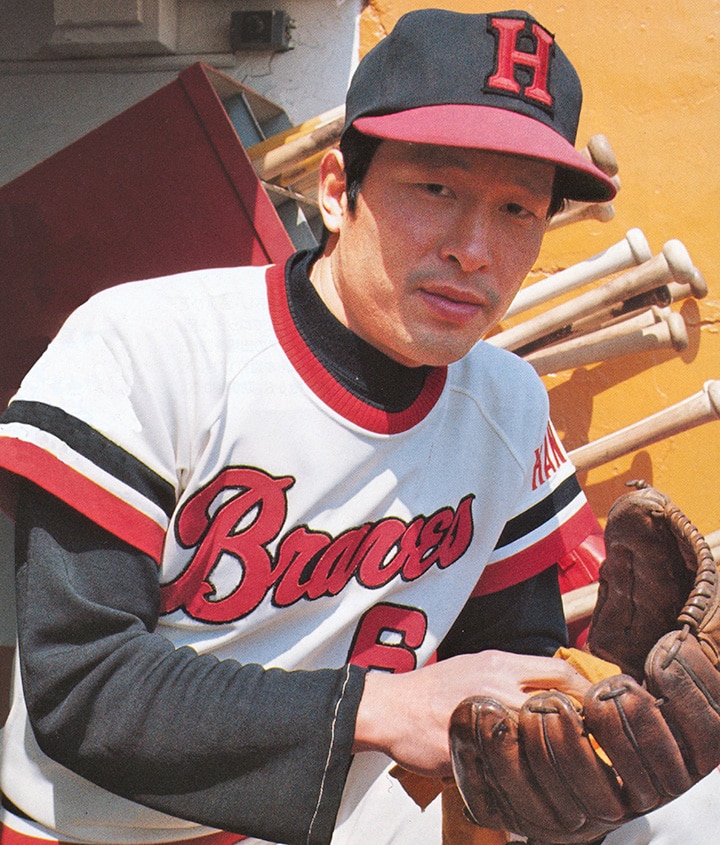
Toei Flyers
Yutaka Ohashi, Infielder, Asia University
The selection shocked just about everybody, although Asia University was hardly an obscure program. Fresh off representing Japan and winning gold at the 1967 Asian Baseball Championship, Yutaka Ohashi was a power-hitting shortstop who had set a Tohto League record with 20 home runs.
Asia University also happened to have been founded by Keita Goto, a former chairman of the Tokyu Group, which co-owned the Flyers.
Ohashi was a fantastic defender, but his bat never quite came around. His glove nevertheless caught the attention of the Hankyu Braves, who were desperate for help at shortstop and traded for him in 1971. He developed a reputation as an elite defender and became a near-annual Gold Glove fixture, playing an integral role in the Braves dynasty of the late 1970s.
Career stats: 1372 G, .210/.280/.326, .605 OPS, 739 H, 96 HR, 311 RBI, 87 SB, 67 wRC+, 75.0 rDEF, 8.4 WAR
3x All-Star, 5x Best 9, 7x Gold Glove
Grade: C
Round 1: Pick 2: Koji Yamamoto
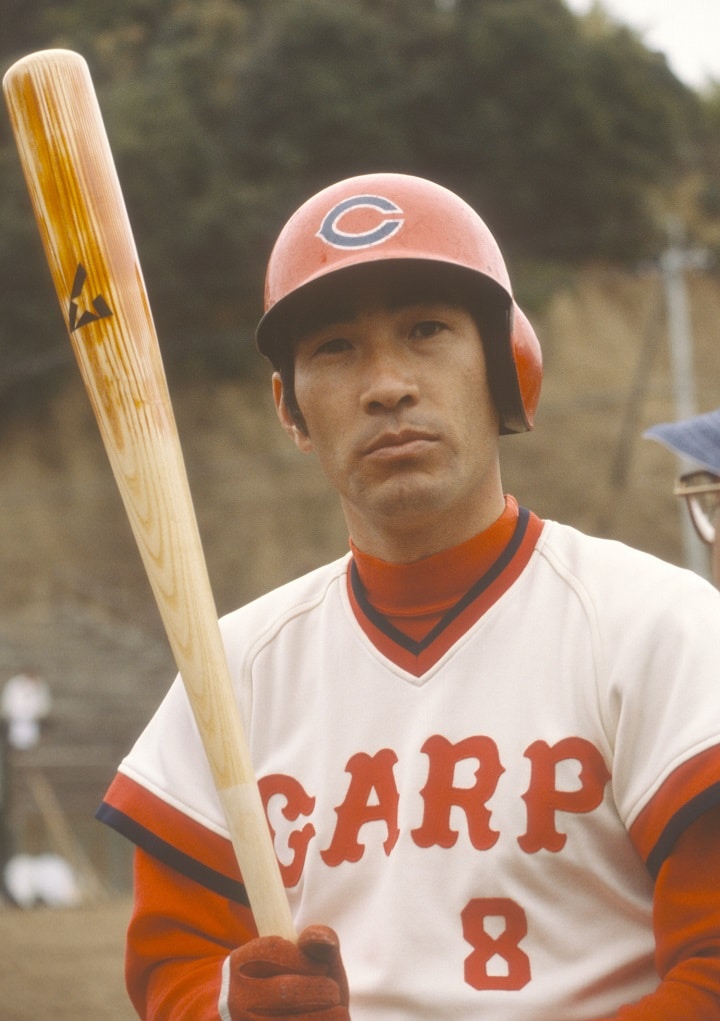
Hiroshima Toyo Carp
Koji Yamamoto, Outfielder, Hosei University
Ohashi’s selection by the Flyers must have prompted a collective sigh of relief in Hiroshima. The Carp were now guaranteed a chance to select their hometown star. Koji Yamamoto had been a Carp fan from the franchise’s earliest days and finally got to wear the uniform he had always wanted.
He made the most of it. Often compared to Willie Mays, Yamamoto became a superstar early in his career and helped lead the Carp to their first pennant in 1975, a moment that famously brought him to tears. By the turn of the 1980s, he was arguably the best player in NPB, guiding Hiroshima through its golden age alongside Sachio Kinugasa.
Arguably the greatest player in franchise history, Yamamoto received one of NPB’s rarest honors: the Carp permanently retired his No. 8. Unlike numbers sometimes passed down to a team’s next franchise star, nobody in Hiroshima will wear No. 8 again.
Career stats: 2284 G, .290/.381/.542, .923 OPS, 2339 H, 536 HR, 1475 RBI, 231 SB, 146 wRC+, 92.9 rDEF, 104 WAR
Hall of Fame, Golden Players Club, 2x MVP, 14x All-Star, 10x Best 9, 10x Gold Glove, AVG-1, 4x HR-1, 3x RBI-1, 3x OBP-1
Grade: S
Round 1: Pick 3: Koichi Tabuchi
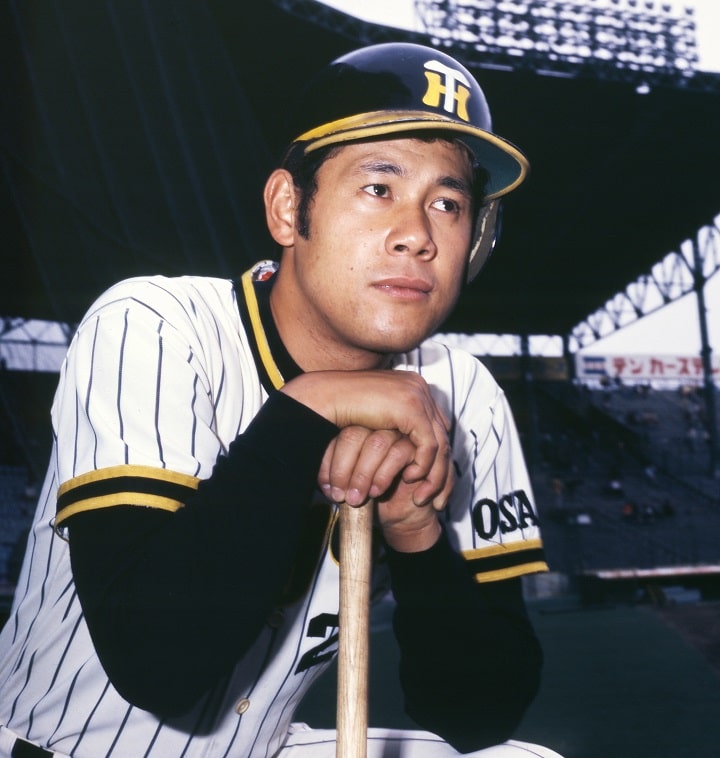
Hanshin Tigers
Koichi Tabuchi, Catcher, Hosei University
The relief felt in Hiroshima certainly wasn’t shared in Yomiuri. The Giants had watched their preferred target go to their biggest rivals. They knew their chances of landing Tabuchi were slim after the draft order was set, but any remaining hopes of arranging a trade had now evaporated.
Tabuchi, for his part, signed with Hanshin without much protest. He quickly became the face of the franchise, meshing with the Tigers’ pitching staff as the team continued to nip at the Giants’ heels. A man who once hoped to spend his career with Yomiuri instead embraced the idea of being a Tiger for life, becoming the third “Mr. Tigers.” But in 1979, he was traded to the Seibu Lions.
Initially apprehensive about the move, Tabuchi flourished as a leader and mentor with Seibu, winning two Japan Series championships before retiring in 1984 as one of the greatest catchers in NPB history.
Career stats: 1739 G, .260/.361/.535, .896 OPS, 1532 H, 474 HR, 1135 RBI, 18 SB, 145 wRC+, 10.9 rDEF, 64.8 WAR
Hall of Fame, 1969 CL Rookie of the Year, 12x All-Star, 5x Best 9, 2x Gold Glove, 1x HR-1
Grade: S
Round 1: Pick 4: Masaru Tomita
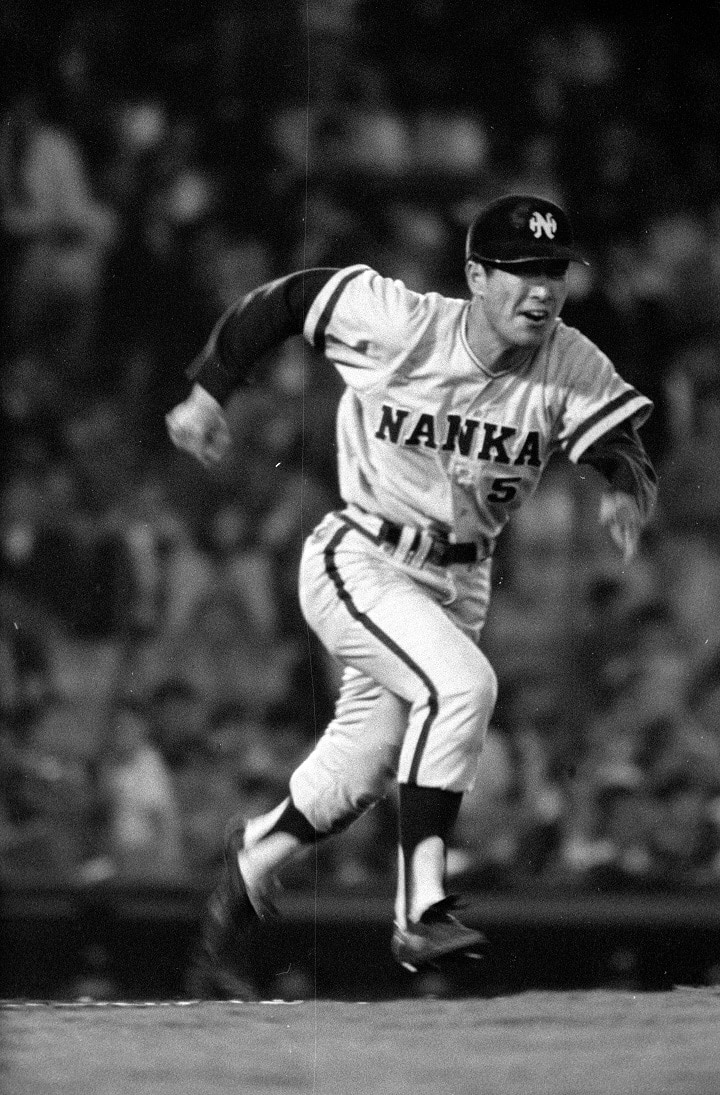
Nankai Hawks
Masaru Tomita, Outfielder, Hosei University
As expected, the Hosei trio came off the board quickly. The first two became Hall of Famers. Tomita didn’t, although he was no slouch. Joining the Nankai Hawks initially seemed like a promising landing spot, given that they remained an elite club. But trouble soon followed. In his second season, Tomita began clashing with Hawks player-manager Katsuya Nomura. Accounts of the feud have also implicated Nomura’s wife, Sachie, in the breakdown of their relationship.
The conflict took a toll. Tomita never matched his second season, and although he remained a good player, he was traded multiple times, often just before his teams began to contend. He did get a measure of revenge after his first trade, as his Giants defeated the Hawks in the 1973 Japan Series.
Tomita ultimately enjoyed a solid career, but he remains something of a what-if. How different might things have been without the turmoil in Nankai? He also became just the second NPB player to homer against every club, completing the feat in his final season with the Chunichi Dragons in 1981.
Career stats: 1303 G, .270/.340/.415, .755 OPS, 1087 H, 107 HR, 451 RBI, 126 SB, 109 wRC+, 11.2 rDEF, 26.4 WAR
2x All-Star
Grade: B
Round 1: Pick 5: Makoto Fujiwara
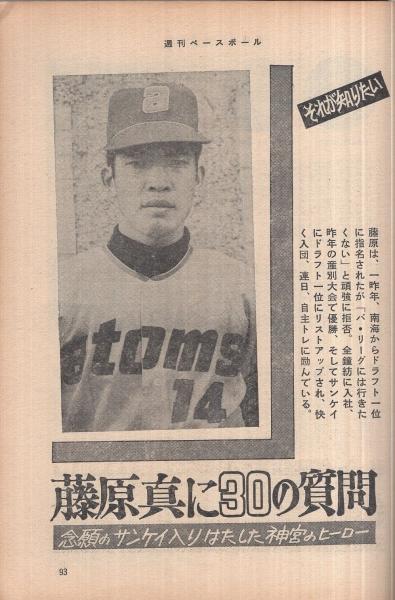
Sankei Atoms
Makoto Fujiwara, Pitcher, Kanebo Corp.
One of the stranger stories of the 1968 draft involved prospects from Kanebo Corporation’s industrial-league team. With the club set to disband after the season, its players made one final push and defeated Nippon Express to win the Intercity Baseball Tournament. Among the standouts was ace Makoto Fujiwara.
The Sankei Atoms, desperate for pitching help, hoped he would be their answer. He wasn’t.
Fujiwara struggled at Jingu Stadium and developed durability issues. After spending time on the sidelines, he was traded to the Toei Flyers for farmhand Mitsugu Tanaka. He never found sustained success, although the Flyers and later Fighters used him in low-leverage situations until his retirement in 1975. After baseball, he went to work for his father-in-law and eventually became president of Yashiro Shipping. A pretty successful second act, all things considered.
Career stats: 577.0 IP, 23-48, 3 SV, 4.21 ERA, 4.15 FIP, 1.371 WHIP, 271 K, 1.43 K/BB, 125 ERA-, 111 FIP-, 3.6 WAR
Grade: D
Round 1: Pick 6: Michiyo Arito
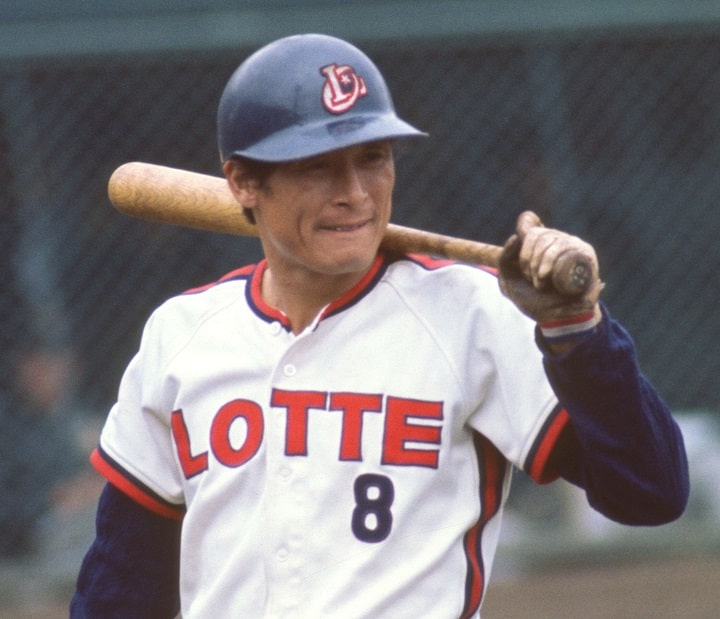
Tokyo Orions
Michiyo Arito, Infielder, Kinki University
The Tokyo Orions became the third club in this draft to land a future face of the franchise in the first round. Arito had not initially planned to enter the draft because his mother wanted him to join the workforce. But an essay by Osamu Mihara criticizing his home prefecture of Kochi reportedly motivated him to pursue professional baseball.
Arito didn’t even know the Orions had been scouting him and was shocked to learn he had gone in the first round. He seized the opportunity, taking the franchise’s prized No. 8 almost immediately. A remarkably consistent performer throughout the 1970s, he helped guide the Orions through one of the best stretches in club history and finished with 348 career home runs.
Career stats: 2063 G, .282/.348/.482, .830 OPS, 2057 H, 348 HR, 1061 RBI, 282 SB, 125 wRC+, -43.3 rDEF, 56.9 WAR
1969 PL Rookie of the Year, 13x All-Star, 10x Best 9, 4x Gold Glove, 1x AVG-1
Grade: S
Round 1: Pick 7: Hiroshi Mizutani
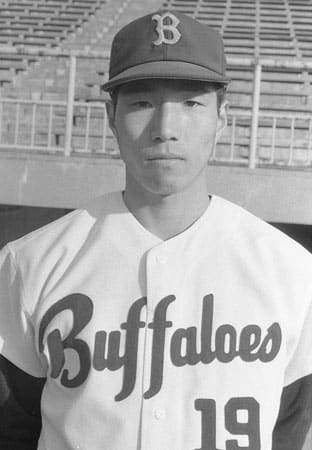
Kintetsu Buffaloes
Hiroshi Mizutani, Pitcher, Kanebo Corp.
The No. 2 starter on Kanebo’s Intercity championship team, Hiroshi Mizutani never established himself in the Buffaloes’ rotation or bullpen. He wasn’t terrible, but his lack of velocity made life difficult against NPB hitters, especially in the relatively tight confines of Fujidera Stadium. He adopted a submarine delivery in an effort to stay in the league before ending his playing career in 1979.
He then spent decades as a batting-practice pitcher for the Buffaloes, helping hitters prepare for the sidearm and submarine deliveries common in Japan. Orix even retained him after absorbing Kintetsu following the 2004 season. Mizutani finally retired from the organization in 2006, at age 60.
Career stats: 213.1 IP, 5-12, 3.80 ERA, 4.34 FIP, 1.233 WHIP, 82 K, 1.53 K/BB, 108 ERA-, 108 FIP-, 1.4 WAR
Grade: D
Round 1: Pick 8: Osamu Shimano
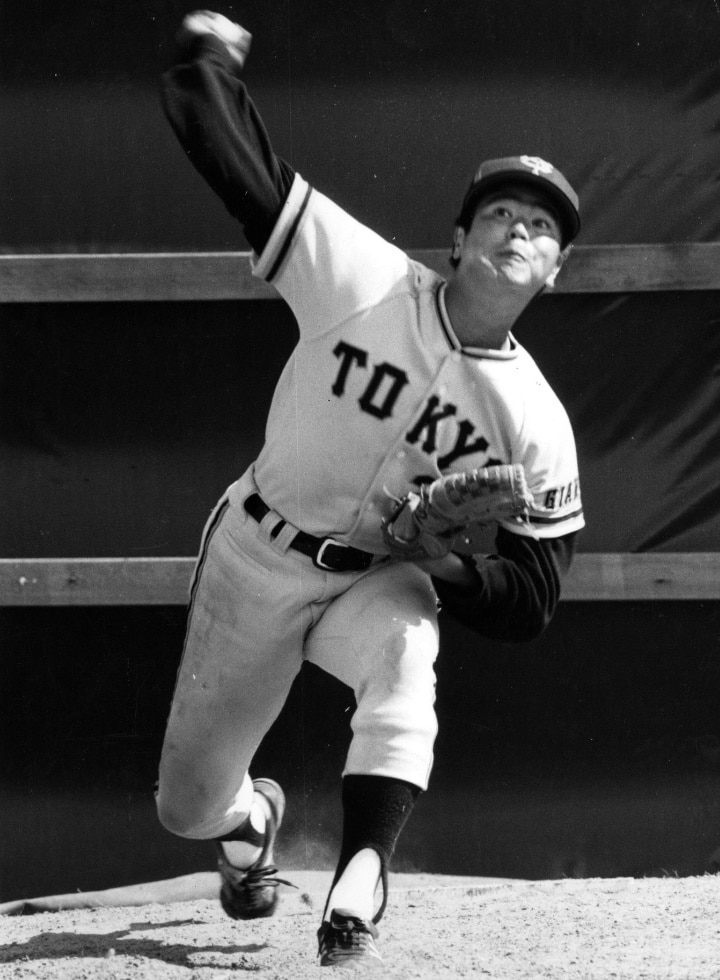
Yomiuri Giants
Osamu Shimano, Pitcher, Buso High School (Kanagawa)
Osamu Shimano emerged as one of Japan’s top high school pitchers in the late 1960s, serving as the ace for Buso High School during consecutive Summer Koshien appearances representing Kanagawa. He wasn’t expected to go this high; he was reportedly third on Yomiuri’s draft board. But with Tabuchi already taken by Hanshin, Tetsuharu Kawakami overruled scouts who preferred Senichi Hoshino, insisting that the Giants get younger.
It didn’t work out. Injuries, compounded by the Giants’ harsh minor league development environment, repeatedly interrupted Shimano’s progress. He didn’t reach the first team until 1971 and struggled to make an impact. A rare highlight was a complete-game shutout against the Atlanta Braves in a spring exhibition.
Shimano was eventually traded to Hankyu but never established himself there, either. His second career, however, was much more memorable: after retiring as a player, he performed as the Braves’ mascot, Bravey, and later as Orix’s Neppy. He appeared in just 116 NPB games as a player but more than 1,100 as a mascot before retiring in 2004 at age 54.
Career stats: 57.1 IP, 1-4, 5.02 ERA, 4.90 FIP, 1.622 WHIP, 23 K, 1.05 K/BB, 153 ERA-, 132 FIP-, -0.2 WAR
Grade: D
Round 1: Pick 9: Osamu Nomura
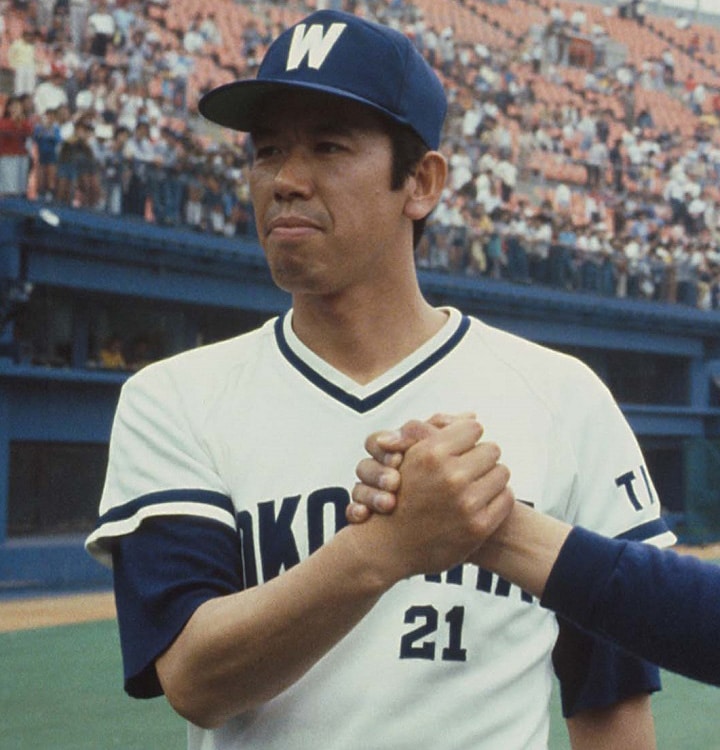
Taiyo Whales
Osamu Nomura, Pitcher, Komazawa University
Osamu Nomura first attracted national attention by leading Komazawa University to a national championship. With the Whales struggling to persuade players from outside the area to sign, partly because of Kawasaki’s reputation, they selected the Kanagawa native over Senichi Hoshino.
Nomura’s early years were inconsistent, but he showed enough promise for the Lotte Orions to view him as an alternative when Taiyo refused to trade ace Masaji Hiramatsu for Shinichi Eto. Nomura gave Lotte a couple of solid seasons before manager Masaichi Kaneda pursued his younger brother, Tomehiro, and Nomura was sent to the Nipponham Fighters. The move produced the best stretch of Nomura’s career, prompting the Whales to reacquire him in 1978. Back with his hometown team, he steadied the rotation. A knee injury threatened to end his career in 1981, but Hanshin eventually acquired him.
Nomura spent the final years of his career in the Tigers’ bullpen and finally won a championship with the club in 1985.
Along the way, he became the first pitcher in NPB history to record a win against all 12 clubs.
Career stats: 2355.7 IP, 121-132, 4.02 ERA, 4.31 FIP, 1.271 WHIP, 1075 K, 2.00 K/BB, 109 ERA-, 104 FIP-, 24.5 WAR
4x All-Star, 1x W-1, 1x W%-1
Grade: B
Round 1: Pick 10: Senichi Hoshino
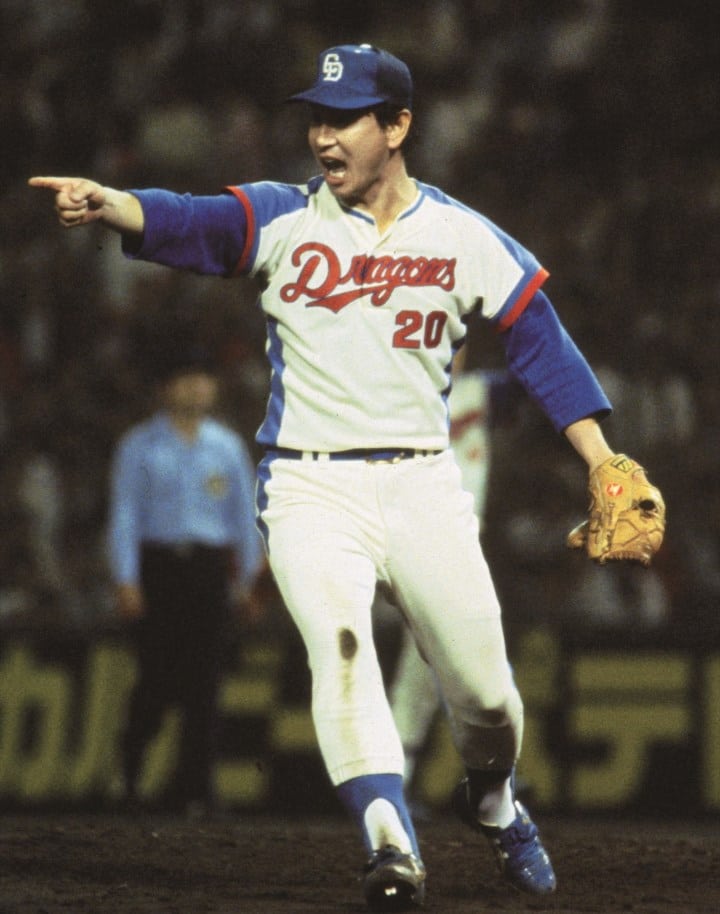
Chunichi Dragons
Senichi Hoshino, Pitcher, Meiji University
Senichi Hoshino entered the draft full of anticipation. After winning titles as Meiji University’s ace, he had been told the Giants wanted him. When the draft order was announced, he was even happier: Yomiuri would have no chance to select Koichi Tabuchi. Then the Giants passed on Hoshino, too.
He made it his mission to beat them. Hoshino was a workhorse for the Dragons from day one. He wasn’t an overpowering strikeout pitcher, but steadily developed into a reliable ace. Everything came together in 1974, when he worked as both a starter and reliever and helped clinch the pennant for Chunichi.
Neither Hoshino nor the Dragons managed to build on that breakthrough immediately. The heavy workload caught up with him, and he gradually slipped back in the rotation, retiring after Chunichi’s loss in the 1982 Japan Series. He went on to become one of NPB’s most prominent managers, finally winning a Japan Series title with the Tohoku Rakuten Golden Eagles in 2013.
Career stats: 2128.2 IP, 148-121, 34 SV, 3.60 ERA, 4.03 FIP, 1.235 WHIP, 1225 K, 102 ERA-, 101 FIP-, 26.4 WAR
Hall of Fame, 1974 Eiji Sawamura Award, 6x All-Star, 1x SV-1, 1x W%-1
Grade: A
Round 1: Pick 11: Hisashi Yamada
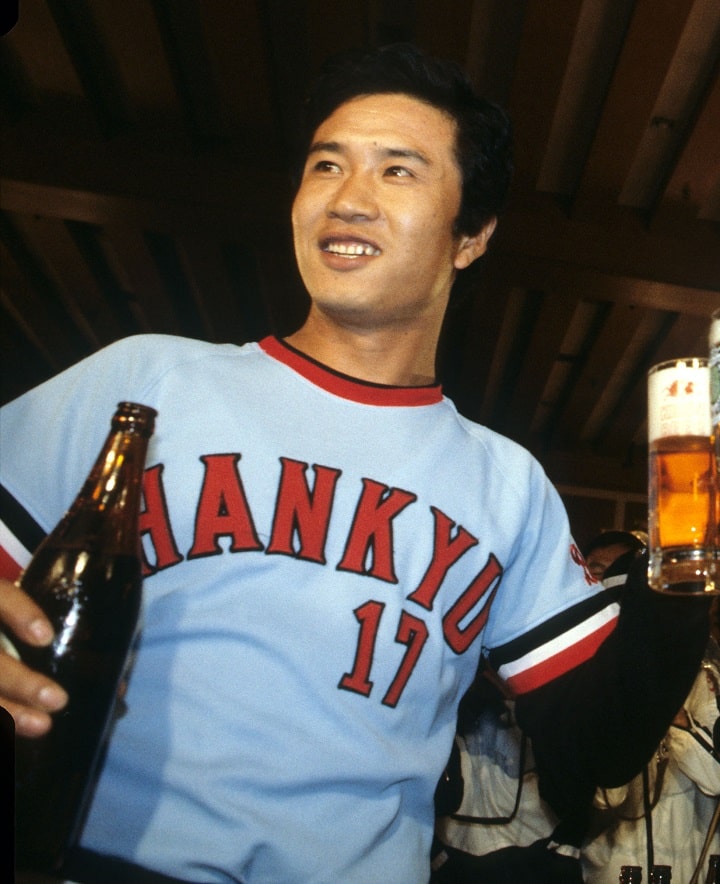
Hankyu Braves
Hisashi Yamada, Pitcher, Fuji Steel
Before Ichiro and Yoshinobu Yamamoto made headlines with three consecutive MVP awards, there was Hisashi Yamada. Often called the greatest submarine pitcher of all time, Yamada had been on NPB teams’ radars for years. The Nishitetsu Lions selected him in the 11th round in 1967, but he declined to sign after his mother cautioned that leaving Fuji Steel after only a year would be disrespectful. The 11th overall pick proved too tempting to pass up.
Yamada joined a club already loaded with pitching talent and made the most of the opportunity, quickly finding a place in the rotation. His early confidence took a hit when Sadaharu Oh homered off him in Game 3 of the 1971 Japan Series. The experience pushed Yamada to refine his craft. By 1975, he was Hankyu’s unquestioned ace, leading the Braves to four consecutive pennants and three straight Japan Series titles from 1975 through 1977. He became the first player in NPB history to win three consecutive MVP awards.
I like to think of him as one of the “Three Pillars of the B’s,” alongside Ichiro and Yoshinobu Yamamoto.
Career stats: 3865.0 IP, 284-166, 43 SV, 3.18 ERA, 4.13 FIP, 1.130 WHIP, 2058 K, 2.26 K/BB, 81 ERA-, 93 FIP-, 62.4 WAR
Hall of Fame, Golden Players Club, 3x PL MVP, 15x All-Star, 5x Best 9, 5x Gold Glove, 3x W-1, 2x ERA-1, 4x W%-1
Grade: S
Round 1: Pick 12: Osamu Higashio
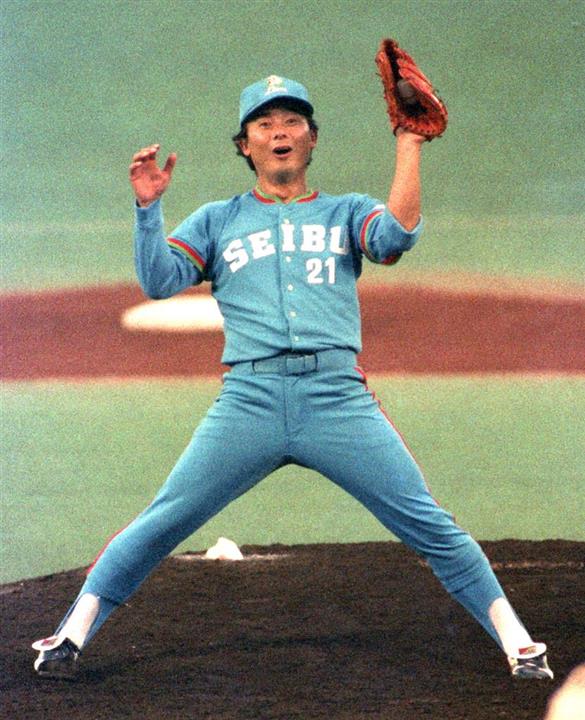
Nishitetsu Lions
Osamu Higashio, Pitcher, Minoshima High School (Wakayama)
Osamu Higashio’s selection with the final pick of the first round came as a shock to him and his parents. They were reluctant to see him move to Kyushu, which they considered isolated and dangerous. Higashio had never been contacted by the Lions and initially shared their hesitation. But he eventually reasoned that turning down a team willing to take a chance on him would be hard to justify, so he signed.
Higashio struggled initially, but the Black Mist Scandal cleared a path for him to become the Lions’ ace. While the club endured lean years before Seibu’s takeover, he remained the face of the franchise, delivering a standout season in 1975. By the time Seibu acquired the Lions, Higashio was a captain and a leader on and off the field. He helped the team win its first five Japan Series championships of the “Invincible Seibu” era before retiring in 1988.
Career stats: 4086.0 IP, 251-247, 23 SV, 3.50 ERA, 4.11 FIP, 1.272 WHIP, 1684 K, 1.53 K/BB, 93 ERA-, 96 FIP-, 62.0 WAR
Hall of Fame, Golden Players Club, 2x PL MVP, 10x All-Star, 2x Best 9, 5x Gold Glove, 2x W-1, 1x ERA-1, 1x K-1
Grade: S
Round 2: Pick 2 (14th overall): Hideji Katoh
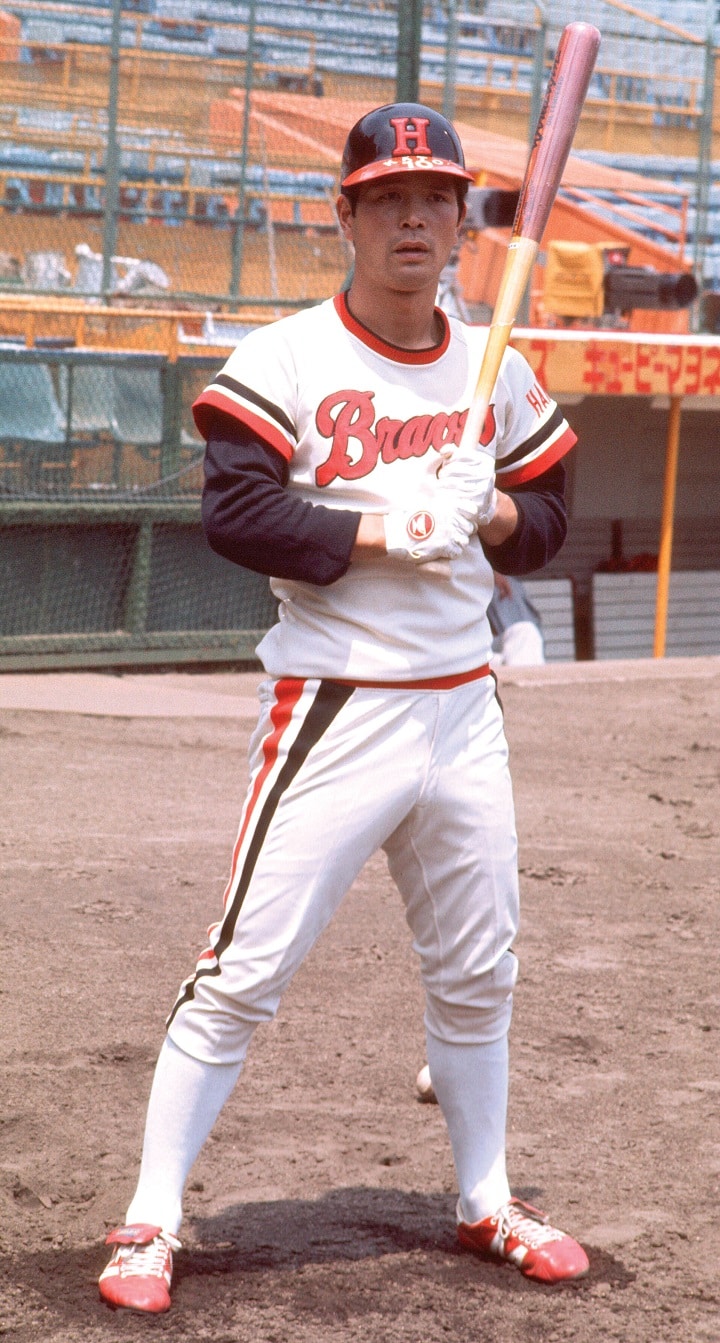
Hankyu Braves
Hideji Katoh, Infielder, Matsushita Electric
Hideji Kato was widely viewed as the top industrial-league hitter in the 1968 draft, so the Braves wasted little time selecting him in the second round. He started slowly, but by his third season, he had become a linchpin of Hankyu’s offense. Kato remained a star throughout the 1970s as the Braves dominated the Pacific League. His finest season came in 1975, when he helped the club win its first Japan Series alongside Yamada and another player we’ll get to shortly.
Kato wasn’t an overwhelming power hitter, but he had enough pop to keep pitchers honest and developed into an on-base machine during the dynasty years, posting a .437 OBP in 1979.
A rift eventually developed between Kato and the front office, which had reportedly floated trading him after the 1978 season. The move finally came in 1983 as Hankyu sought an upgrade at first base. Kato spent his final five seasons moving between clubs and retired in 1987 after collecting his 2,000th hit as a Nankai Hawk.
Career stats: 2028 G, .297/.372/.512, 2055 H, 347 HR, 1268 RBI, 136 SB, 136 wRC+, -166.0 rDEF, 49.3 WAR
Golden Players Club, 1975 PL MVP, 11x All-Star, 5x Best 9, 3x Gold Glove, 2x AVG-1, 3x RBI-1, 1x H-1, 3x OBP-1
Grade: S
Round 3: Pick 10 (34th overall): Yasunori Ohshima
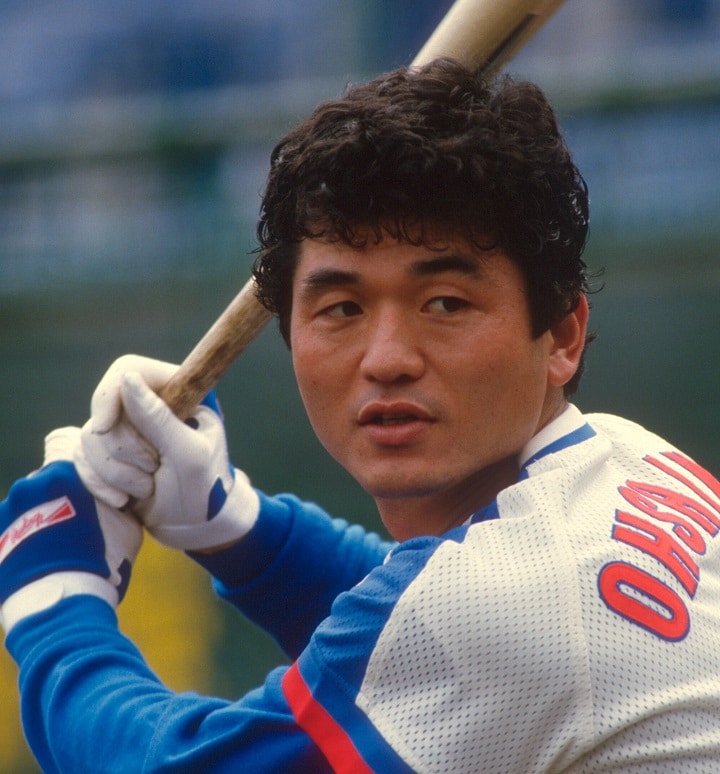
Chunichi Dragons
Yasunori Ohshima, Pitcher, Nakatsu Technical High School (Oita)
Of the players who helped turn the Chunichi Dragons into contenders in the 1970s, Yasunori Ohshima might be among the most underrated. Kenichi Yazawa, Tatsuhiko Kimata, and Gene Martin deservedly attracted attention, but Ohshima was right there with them as a dependable corner outfielder. Which is funny, because he wasn’t drafted as one.
Originally selected as a pitcher, Ohshima was told by minor league manager Itsuro Honda, who had advocated for drafting him, that his future lay in his bat rather than his arm. He reached the first team in 1971. His defense was shaky, and his offense could be inconsistent, alternating excellent years with more ordinary ones into the early 1980s. Chunichi eventually traded him to the Fighters in 1988. By then a full-time first baseman, Ohshima remained a productive hitter into his early 40s before retiring in 1994 after two seasons as a player-coach.
Career stats: 2638 G, .272/.350/.458, .809 OPS, 2204 H, 382 HR, 1234 RBI, 88 SB, 116 wRC+, -142.7 rDEF, 35.7 WAR
Golden Players Club, 4x All-Star, HR-1, H-1
Grade: A
Round 4: Pick 9 (45th overall): Mitsuru Fujiwara
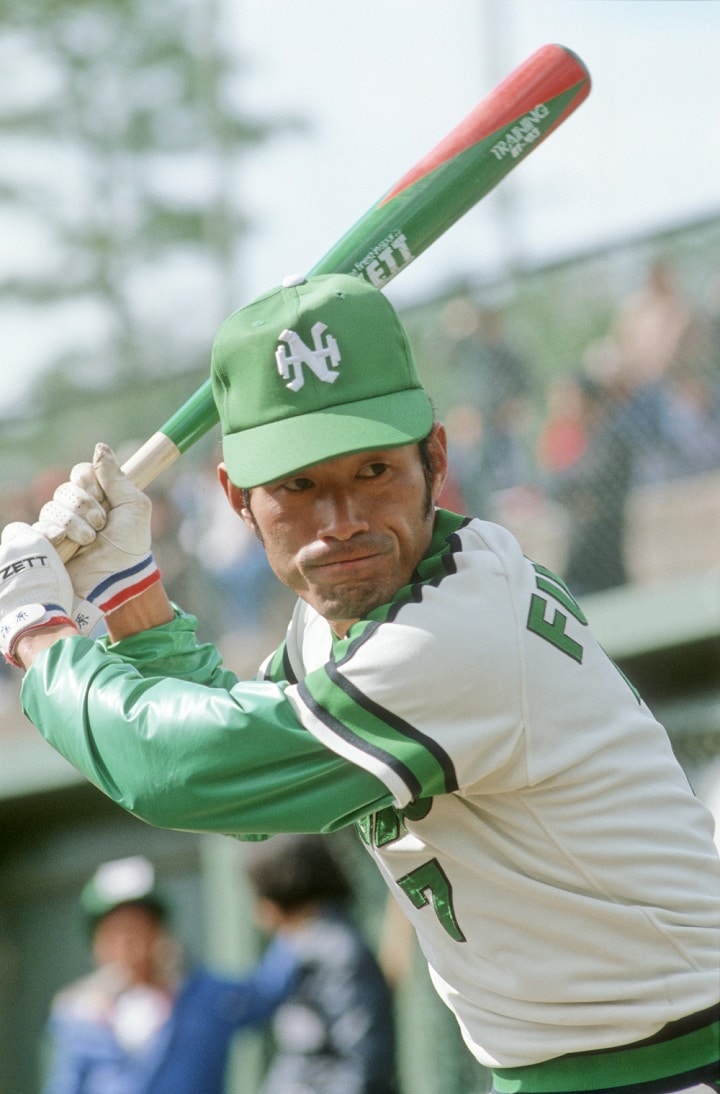
Nankai Hawks
Mitsuru Fujiwara, Infielder, Kinki University
Mitsuru Fujiwara was another player surprised to hear his name called in 1968. Scouts had come to watch his Kinki University teammate Michiyo Arito, but Fujiwara caught their attention, and Nankai took a flyer on him in the fourth round. He was initially reluctant to sign because he’d grown up a Lions fan and disliked the Hawks, but his older brother encouraged him to take the opportunity.
Despite offering little power, Fujiwara quickly developed into a quintessential slap-hitting utility player. He was a reliable defender at several positions and had the speed to compensate for his lack of pop, helping him appear in more than 1,300 NPB games. He might have played longer, but he abruptly retired in 1982. His explanation? He believed the livelier baseballs of the early 1980s had turned his bloop singles into routine pop flies. His underlying numbers suggest he may have had a point.
Career stats: 1354 G, .278/.324/.368, .692 OPS, 1334 H, 65 HR, 413 RBI, 195 SB, 93 wRC+, 7.0 rDEF, 17.8 WAR
5x All-Star, 1x Best 9, 2x Gold Glove, 2x H-1
Grade: B
Round 4: Pick 12 (48th overall): Tomehiro Kaneda
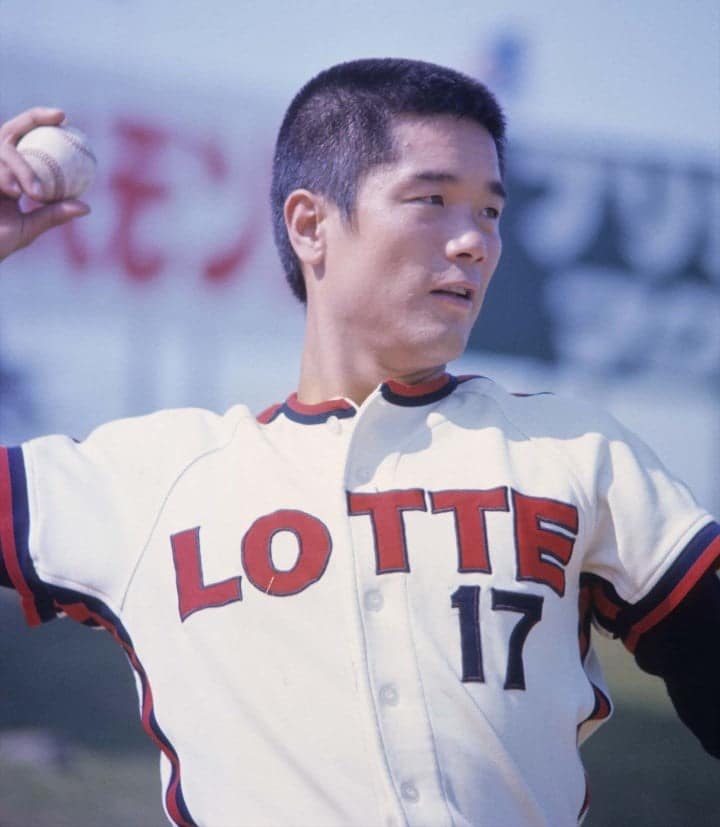
Toei Flyers
Tomehiro Kaneda, Pitcher, Nippon Express
Tomehiro Kaneda entered the 1968 draft determined to prove he was more than the younger brother of NPB legend Masaichi Kaneda. It didn’t help that the Flyers immediately gave him his brother’s No. 34.
The younger Kaneda became a workhorse in his own right, throwing more than 300 innings in 1970. He also set an unwanted mark in 1971 by allowing 42 home runs, still a Pacific League record for a pitcher. Despite that, his FIP was actually better than league average.
Eventually, Masaichi’s influence helped bring Tomehiro to the Lotte Orions in 1974. He responded with a breakout season, winning Pacific League MVP and helping Lotte capture its second Japan Series championship. Although he never quite replicated that peak, he later became a veteran mentor with Hiroshima, where his nephew Akihito Kaneishi was also in the organization. Kaneda added two more Japan Series rings before retiring.
Career stats: 2055.1 IP, 128-109, 3.24 ERA, 3.70 FIP, 1.140 WHIP, 1317 K, 2.52 K/BB, 93 ERA-, 91 FIP-, 34.1 WAR
1974 PL MVP, 3x All-Star, 1x Best 9, 2x W-1
Grade: A
Round 7: Pick 11 (83rd overall): Yutaka Fukumoto
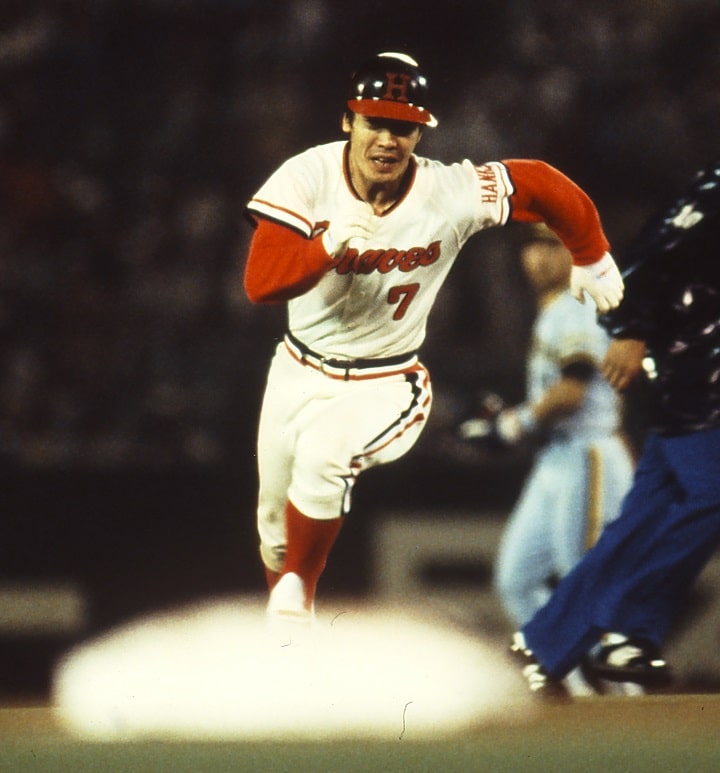
Hankyu Braves
Yutaka Fukumoto, Outfielder, Matsushita Electric
The ultimate sleeper pick. While scouts watched Matsushita Electric for Hideji Kato, the Hankyu Braves also noticed his short, skinny, and remarkably fast teammate Yutaka Fukumoto. Having already taken Kato, they decided to take a chance on Fukumoto as well.
That seventh-round gamble produced arguably the greatest player in franchise history. Fukumoto was Rickey Henderson before Rickey Henderson: blazing speed, elite defense, and sneaky power. He even broke into Hankyu’s lineup before the more highly touted Kato, becoming the face of its position-player core as Tokuji Nagaike declined. At his peak, Fukumoto stole more bases by himself than four entire teams combined.
He helped lead Hankyu to three straight Japan Series titles, although his comments reportedly gave the Giants added motivation during the 1976 series. From 1983 to 1993, Fukumoto held the world professional baseball record for career stolen bases. He is commemorated as one of the four pillars in the central hall of the Japanese Baseball Hall of Fame.
Fukumoto remains one of only two players in NPB history with 1,000 stolen bases, and his No. 7 became the B’s designated franchise number for position players.
And he was a seventh-round pick.
Career stats: 2401 G, .291/.379/.440, .819 OPS, 2543 H, 208 HR, 884 RBI, 1065 SB, 125 wRC+, 23.4 rDEF, 92.2 WAR
Hall of Fame, Golden Players Club, 1972 PL MVP, 17x All-Star, 10x Best 9, 12x Gold Glove, 13x SB-1, 4x H-1
Grade: S
Round 9: Pick 5 (101st overall): Hideo Iijima
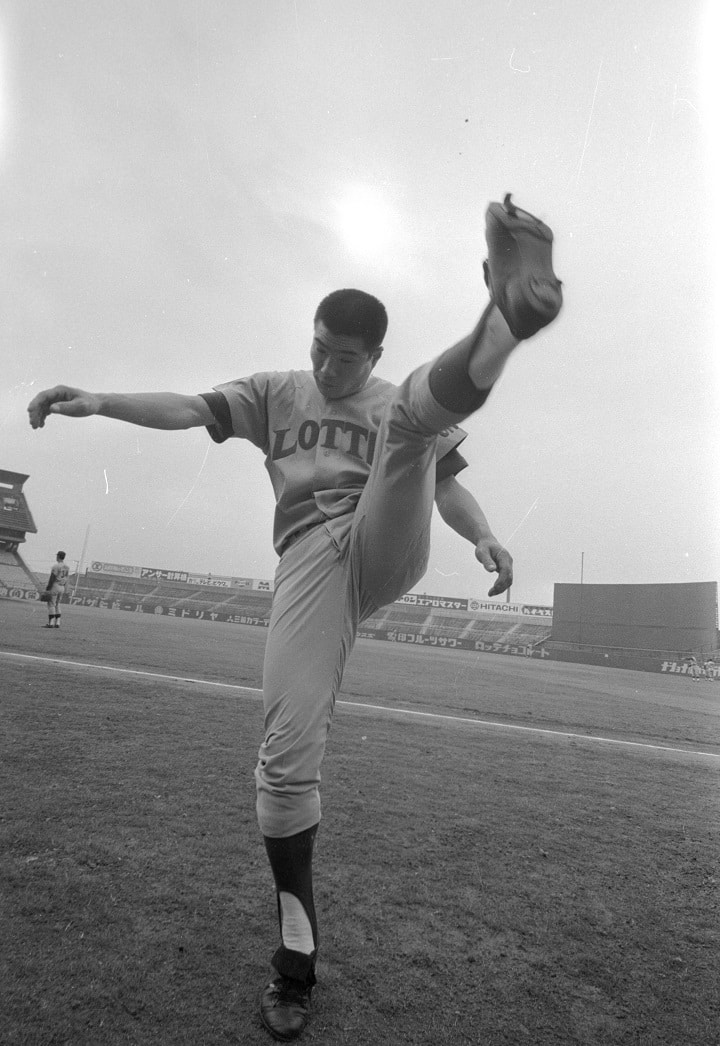
Tokyo Orions
Hideo Iijima, Pinch Runner, Ibaraki Prefecture
This one wasn’t exactly a pick that panned out. It’s just too unusual to leave out.
Six years before the Oakland A’s brought in Herb Washington solely as a pinch-runner, the Tokyo Orions tried something similar with Olympic sprinter Hideo Iijima, who had competed at the 1968 Mexico City Games. They gave him No. 88, reflecting the number of bases they hoped he would steal.
They soon learned that baserunning requires more than raw speed. It’s a skill, with its own instincts and decision-making, and Iijima struggled to adapt. His negative baserunning value and 58% stolen-base success rate tell the story; effective base stealers generally succeed around three-quarters of the time or better.
All told, it was largely a publicity stunt by Orions owner and film producer Masaichi Nagata. There’s something admirable about trying an unconventional idea, but as the remaining selections show, useful players were still on the board.
Career stats: 117 G, 0 PA, .000/.000/.000, .000 OPS, 0 H, 0 HR, 0 RBI, 23 SB, -1.1 rBSR, -0.1 WAR
Grade: F (for the novelty alone)
Round 9: Pick 8 (104th overall): Kinji Shimatani
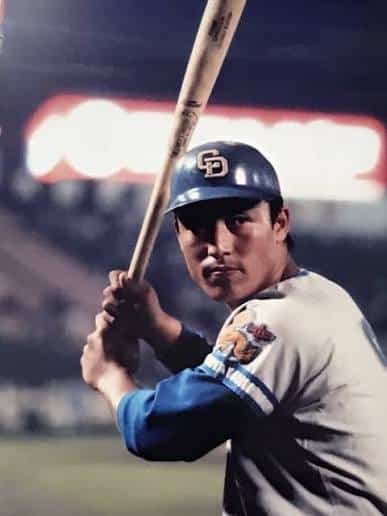
Chunichi Dragons
Kinji Shimatani, Outfielder, Shikoku Power Co.
One of those players was Kinji Shimatani, perhaps one of the most underrated stars of the 1970s. He had been a notable prospect for years, with Chunichi becoming the fourth club to draft him after earlier selections by the Swallows, Flyers, and Orions.
Shimatani stepped in as the Dragons’ third baseman almost immediately, playing 125 games as a rookie. It took him a few seasons to find his footing, but once he did, he became an elite hitter and defender and one of Chunichi’s best players. That didn’t stop the club from trading him.
In what might rank among the worst trades in NPB history, the Dragons sent Shimatani and Mitsuo Inaba to Hankyu in a deal that brought a disappointing return. Joining a club that was already one of Japan’s best, Shimatani continued playing at a high level into his mid-30s. He won a championship and retired in 1982 as his performance began to decline.
He wasn’t quite the sleeper Fukumoto was—few players are—but landing this caliber of talent in the ninth round was still an extraordinary find.
Career stats: 1682 G, .269/.338/.443, .781 OPS, 1514 H, 229 HR, 781 RBI, 72 SB, 116 wRC+, 62.7 rDEF, 43.3 WAR
6x All-Star, 2x Best 9, 4x Gold Glove
Grade: S
Round 9: Pick 10 (106th overall): Takuji Ota
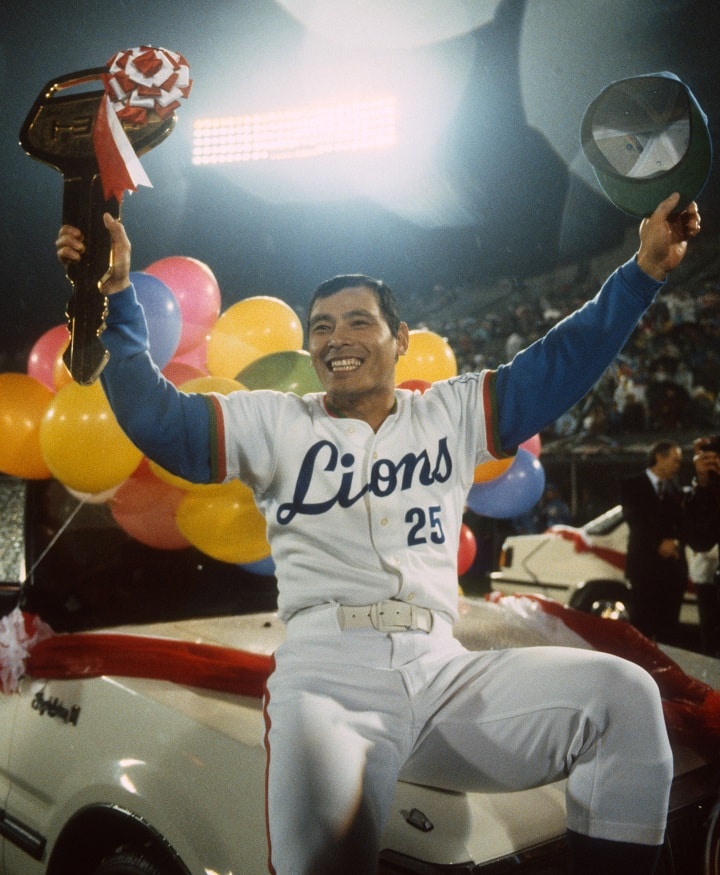
Nishitetsu Lions
Takuji Ota, Outfielder
Takuji Ota was another ninth-round pick who worked out. A lifelong Lions fan, he wanted to succeed in honor of his brother, who had also dreamed of playing professionally but left university because of mental health difficulties. Ota didn’t secure a regular first-team role until 1971, after the Black Mist Scandal had depleted the Lions’ roster, and even then, he needed time to establish himself.
Then the Pacific League introduced the designated hitter. The rule gave Ota a path to regular playing time. A roughly league-average DH wasn’t an ideal use of the position, but the Lions valued a dependable bat over cycling through unproven options. Ota rewarded their faith by contributing to the first two championships of the “Invincible Seibu” era. He retired after winning his third ring in 1986.
Career stats: 1314 G, .267/.312/.459, .771 OPS, 923 H, 171 HR, 564 RBI, 25 SB, 109 wRC+, -67.5 rDEF, 9.4 WAR
3x All-Star, Best 9
Grade: B (for a ninth-round pick)
Round 12: Pick 2 (122nd overall): Hiromitsu Kadota
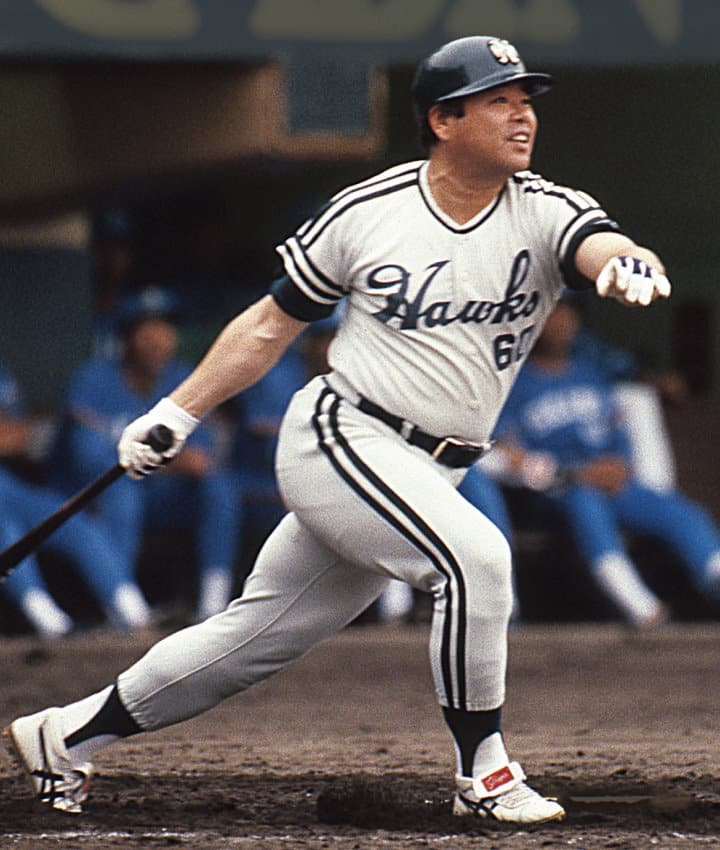
Hankyu Braves
Hiromitsu Kadota, Outfielder, Kureray
In a remarkable bit of foresight, the Braves also took a flyer on slugger Hiromitsu Kadota in the 12th round.
He didn’t sign. Kadota did turn pro the following year, when the Nankai Hawks selected him 21st overall. A rare power hitter, he quickly became a cornerstone of their offense, but ran into some of the same organizational tensions that had affected Masaru Tomita. Unlike Tomita, Kadota dug in and stayed, although the Hawks struggled to contend. He remained an elite hitter well into his later years and became NPB’s oldest MVP at age 40.
When the Hawks moved to Fukuoka in 1989, Kadota declined to follow them and instead joined the franchise that had first drafted him in 1968, by then known as the Orix Braves. He remained productive with Orix before returning to the Hawks to finish his career in Fukuoka.
Career stats: 2571 G, .289/.379/.529, .907 OPS, 2566 H, 567 HR, 1678 RBI, 51 SB, 146 wRC+, -73.2 rDEF, 87.7 WAR
Hall of Fame, Golden Players Club, 1988 PL MVP, 14x All-Star, 10x Best 9, 3x HR-1, 2x RBI-1, 3x OBP-1
Grade: Unsigned (although Hankyu did get him 20 years later—points for foresight, I guess)
