It’s playoff time in Major League Baseball, and eight Japanese import players will be part of the action.
The two-time defending World Series champion Los Angeles Dodgers will feature pitchers Yoshinobu Yamamoto and Roki Sasaki, as well as Shohei Ohtani solely in his designated hitter role. Ohtani is not expected to appear on the mound, given the injuries that have kept him from pitching since July 3.
Also on playoff rosters are reliever Yuki Matsui of San Diego, outfielder/designated hitter Seiya Suzuki and starter Shota Imanaga of the Chicago Cubs, designated hitter Munetaka Murakami of the Chicago White Sox, and relief pitcher Tatsuya Imai of Houston. Boston is also playoff-bound, but designated hitter Masataka Yoshida is not expected to play after suffering a significant hamstring pull in August.
Yamamoto continued his outstanding season, showing remarkable consistency.
All four of his September outings were quality starts. His worst monthly ERA was 2.89, and he pitched to a 2.06 ERA in 11 starts after the All-Star break. In September, he was 2-1 with a 2.33 ERA and a stellar 0.74 WHIP.
His strikeout rate this season was down (8.9 per nine innings, compared to 10.4 per nine a year ago), but he reduced his walk rate from 3.1 per nine innings to 2.0 per nine. Opponents averaged just .181 against him, and he’s also been a steady workhorse, failing to go at least six innings in only two starts.
Yamamoto finished the regular season with a 14-9 record, 2.53 ERA, and 0.87 WHIP.
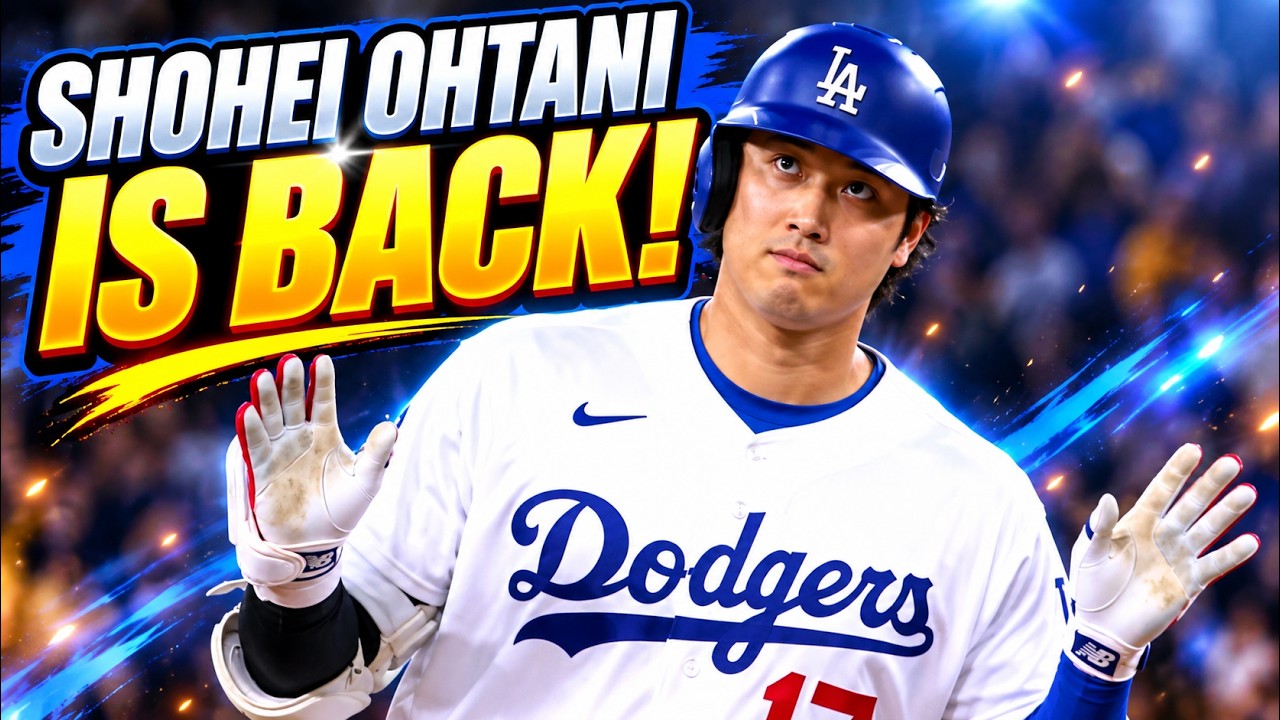
Ohtani had a tough couple of months with inflammation in his left knee and soreness in his right biceps muscle, and he was on the Injured List from September 8-23. He has not pitched since going six innings against San Diego on July 3. At the plate, he hit just .241 in August and went 18 for 89 (.182) in his last 22 games of the month.
In September, he batted just .200 in eight games and hit .238 with eight strikeouts and just one walk after returning from the IL. He had one RBI on September 24, his first since August 18. Whether this was simply a case of being rusty after the layoff remains to be seen as the Dodgers begin their quest for a third consecutive World Series title.
“The biggest thing is getting him as many at-bats as we can, some rhythm and timing,” Dodgers president of baseball operations Andrew Friedman said. “We’ll get a sense based on workload and how he’s feeling. But the most important thing is how much better he feels.”
For the regular season, Ohtani finished 8-2 with a 1.79 ERA and 0.95 WHIP as a pitcher, and he batted .275 with 30 home runs, 81 RBI and an .889 OPS.

Sasaki was inconsistent much of the season, but he was on a roll until going on the Injured List on August 26 with a blister on his finger. He returned to action in late September and made two relief appearances, pitching a scoreless inning in each and striking out four batters.
Now, he’s penciled in as a significant piece of the bullpen during the playoffs, as he was in 2025.
His 23 starts are a professional career high, and his 121.1 innings pitched are his most in a season since he threw 129.1 innings for the Chiba Lotte Marines in 2022.
Sasaki made progress in his second MLB season. He went 5-5 with a 4.60 ERA and 1.33 WHIP through 23 starts. However, working with an expanded pitch mix, including a new splitter, and increased fastball velocity, Sasaki put up a 2.63 ERA through seven starts before dealing with the blister.

Suzuki of the Cubs fell off in September to a .226 average and .713 OPS with just two home runs and six RBI. He did pick up a bit at the end of the month, though, going 10 for 28 in his last seven games.
For the season, he hit .270 with 26 home runs, 86 RBI, and an .841 OPS. He also posted a 5.1 bWAR, by far the highest of his MLB career, partly due to improved defense in right field.
This was the final season of the five-year, $85-million contract Suzuki signed with the Cubs in March 2022. Through five years as a Cub, he has a .269/.351/.472 slash line with 113 home runs and 382 runs batted in. He has expressed interest in a contract extension, but will surely have suitors in free agency.

His teammate Imanaga, who will also be a free agent after this season, finished the regular season in strong fashion. He was 3-0 with a 2.25 ERA and gave up just 17 hits and two walks in 24 innings. All four of his outings were quality starts.
It was a good end to an inconsistent campaign. His ERA was 2.15 in April, 5.80 in May, 4.13 in June, 1.53 in July, 5.96 in August, and then 2.25 in September. For the season, he finished 11-10 with a 3.77 ERA and 1.10 WHIP.
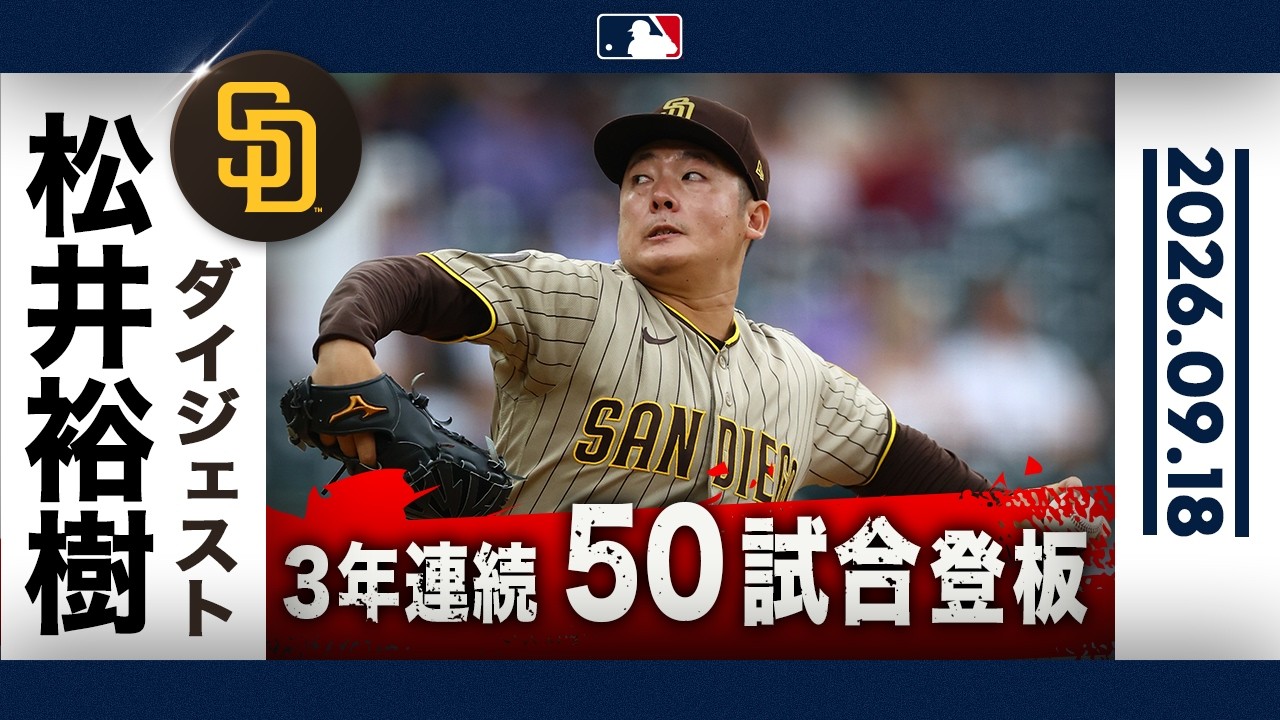
San Diego’s Matsui followed an outstanding August performance with a similar one. He went 2-0 in the season’s final month with a 0.84 ERA after posting 0.77 in August, giving up just one run in 12 appearances. He was unscored upon in 21 of 23 outings in August and September combined.
In August alone, he pitched 11.2 innings over 11 appearances, allowing just five hits and one run while striking out 13 batters. His only blemish was in the walk department, with seven.
Over the regular season, he went 5-1 with a 1.83 ERA and 1.14 WHIP, and his blossoming further solidified an already strong Padres bullpen.

Houston’s Imai showed promise out of the bullpen after an extremely difficult start to his debut MLB season.
He made 15 starts — the last on July 27 — before being relegated to the bullpen, where he found some success in a small sample size. He made only three appearances in August, all in relief, and allowed just two earned runs in nine innings.
Imai followed that with a September performance in which he again gave up just two earned runs in nine innings. He also struck out 14 batters during the month, though he walked seven.
Overall, he went 6-4 with a 4.93 ERA, a high strikeout rate (11.4 per nine innings), and a very high walk rate (6.1 per nine innings).
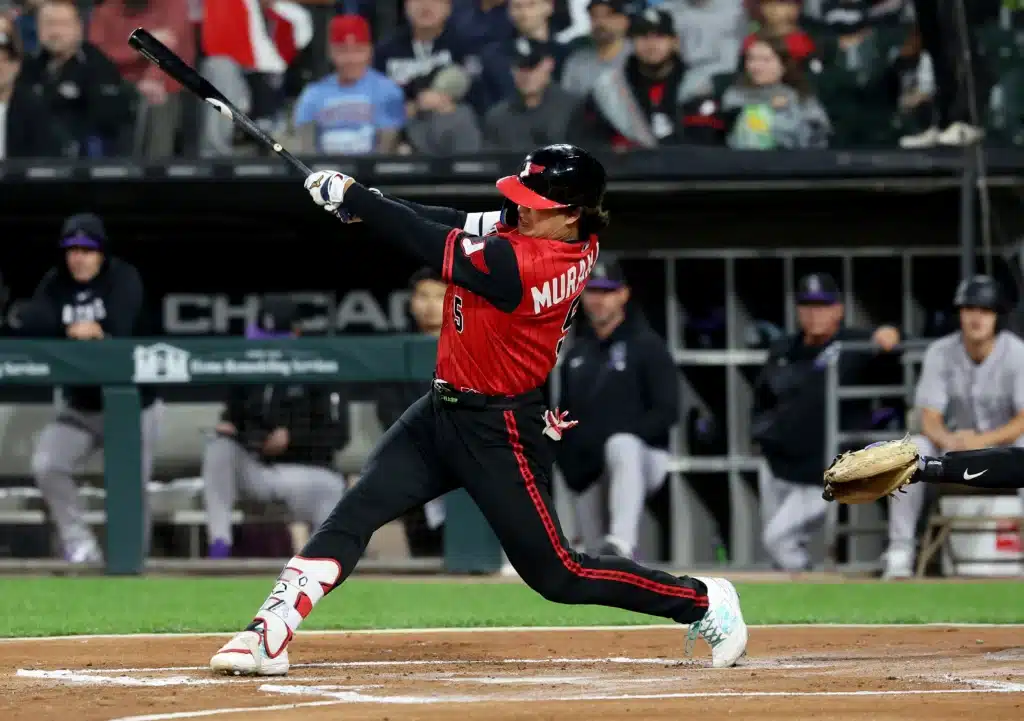
Murakami, the White Sox’ first baseman/designated hitter, had his second consecutive down month, averaging just .167 after hitting only .147 in August. He did provide some power, hitting six home runs and driving in 18 runs in September as Chicago clinched a Wild Card spot in the playoffs.
He had a two-homer game against Colorado on September 25.
“That’s so special,” White Sox starter Sean Burke said. “He’s such a tough at-bat when he’s rolling like he is. You see two balls, both launched, one [to the] pull side and one [to the] opposite side. Just the power he has, it’s such a dangerous bat.”
Overall, Murakami had the type of rookie season many expected — good power, a low batting average, and a lot of strikeouts. He posted a .207/.347/.478 slash line with 35 home runs and 77 RBI. Despite missing nearly a month and a half of play due to injury, he ranked fifth in the American League in homers, third in strikeouts (196), and ninth in slugging percentage (.478).
There has been talk of extending Murakami’s contract, which currently runs through the 2027 season.
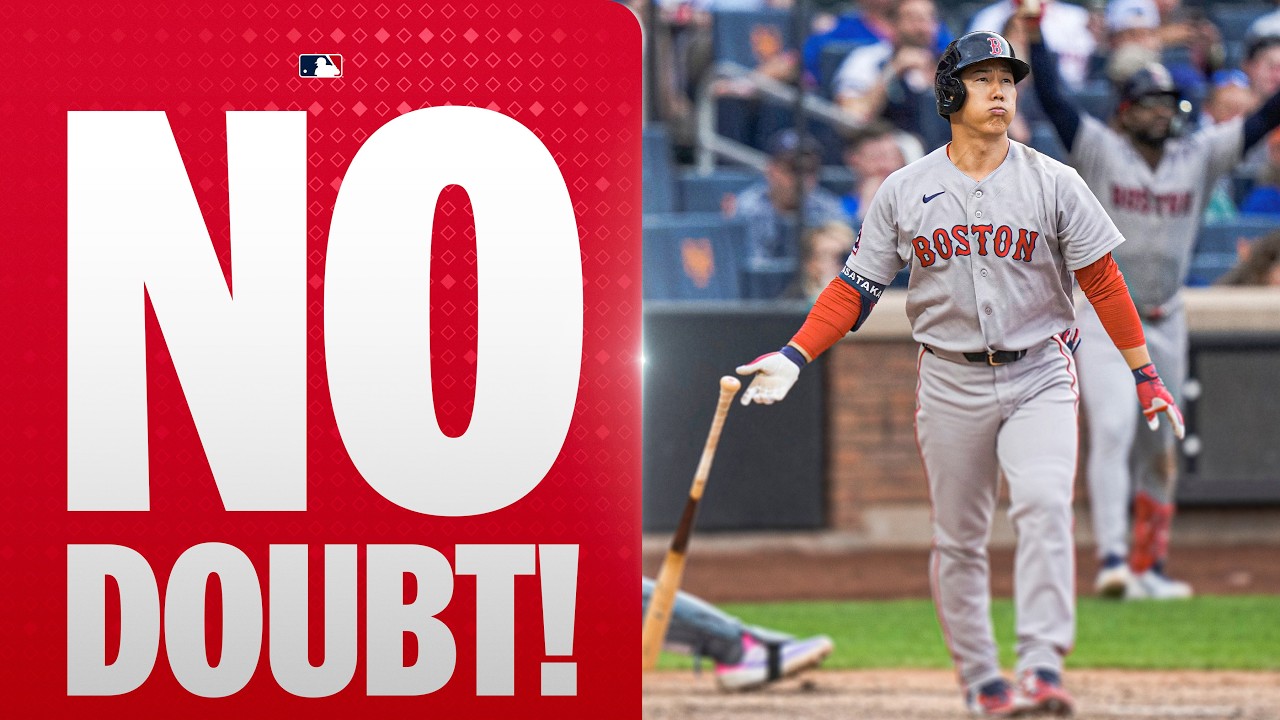
Yoshida, now in the fourth season of a five-year, $90 million contract with Boston, was having his best month statistically before going on the Injured List on August 16 with a left hamstring strain. Up to that point, he batted .326 in August with an .892 OPS, improving his season slash line to .274/.347/.399.
The injury kept him out for the rest of the season.
Beginning June 27, Yoshida got 36 hits in 111 at-bats for a .324 mark. As a left-handed batter, he hit .296 against left-handed pitchers and .271 against right-handers.

Now, to the import players whose teams did not make the playoffs – reliever Kodai Senga of the New York Mets, third baseman Kazuma Okamoto of the Toronto Blue Jays, and starters Yusei Kikuchi of the Los Angeles Angels and Tomoyuki Sugano of the Colorado Rockies.
Senga finished a rough season by making seven relief appearances in September. He had a 7.34 ERA in 6.1 innings, but that was inflated by a single outing in which he gave up three earned runs in just a third of an inning against Philadelphia. He earned three saves in four chances.
Mets closer Devin Williams recently described Senga as a pitcher who’s “punching tickets, throwing 100 with a nasty forkball.”
Since moving to the bullpen full-time at the start of August, Senga’s four-seam fastball and forkball usage has increased, while he’s used his five other pitches – all of which rank well below-average in terms of the Stuff+ metric – less often.
Senga, who has one year and $15 million remaining on his current contract, will be an interesting case this offseason. While he’s shown promise as a reliever, he has indicated that he prefers to be in the starting rotation, where he excelled as an MLB rookie in 2023 but has struggled since, in part due to injuries.
Senga finished the season 0-9 with a 7.34 ERA and 1.65 WHIP.
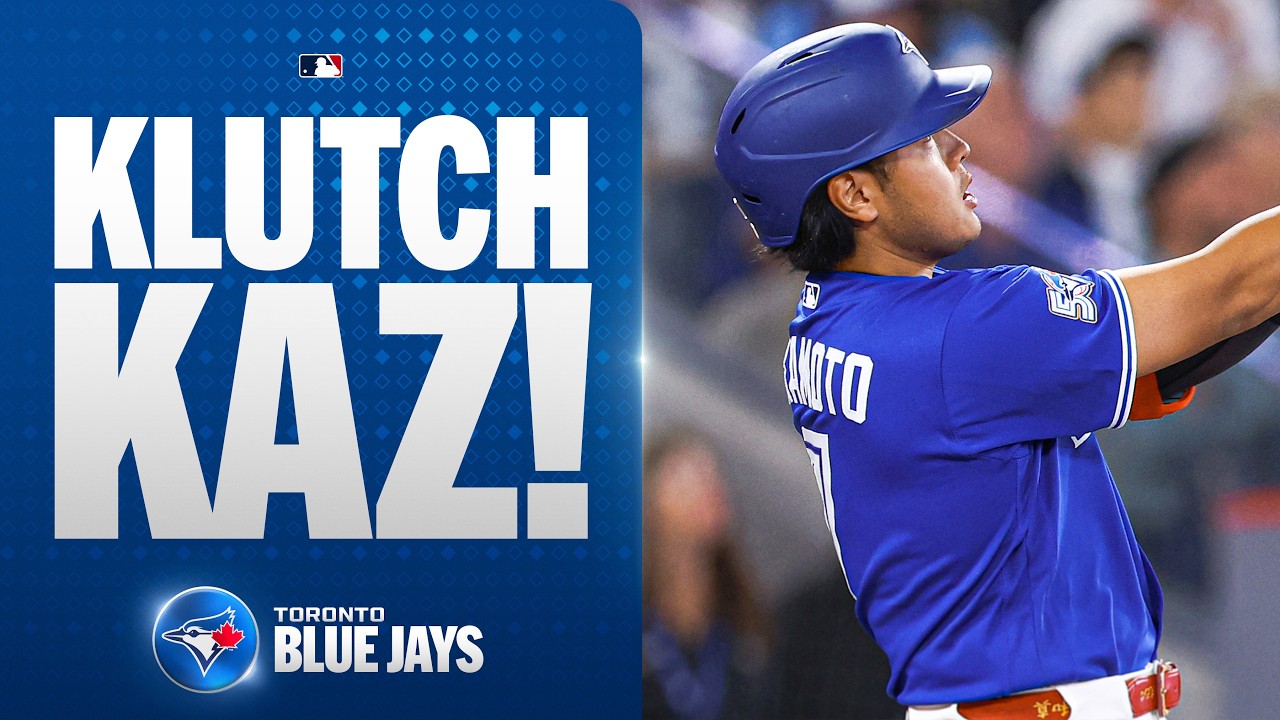
Okamoto concluded his first MLB season with a September in which he slashed .256/.344/.500 with five home runs and 14 RBI. Overall, he finished at .232 with a .310 on-base percentage and a .452 slugging mark.
His strikeout rate was 28.6%. In his NPB career, he had a rate as high as 20% only once (21% in his second full year). He struck out 183 times, the eighth-highest total in the American League.
Okamoto showed good power, though, with team-leading figures of 33 home runs and 82 RBI, and he was voted the American League Rookie of the Month for June. With his 25th homer on August 18 – which Statcast projected at 442 feet – he surpassed the previous franchise record for a rookie set by Eric Hinske in 2002.
“He’s been impressive. It’s a long season for everyone, but especially him in his first year over here. He’s been fantastic,” manager John Schneider said. “He’s preparing, adjusting and showing the hitter he is.”

Kikuchi was activated from the 60-day Injured List on August 23 and started that day against Texas. He gave up seven hits – two of them home runs – and five earned runs in five innings. That, after posting a 15.63 ERA in four rehab outings.
However, he posted a 3.09 ERA in his following six starts to end the regular season. In five September outings, he went 1-1 with a 3.20 ERA, though he walked 13 batters in 19.2 innings.
“He’s been doing a really good job getting to two strikes, and now when you get to two strikes, maybe execute a little bit more. But I think there’s a lot of positives with Kikuchi,” Angels manager Kurt Suzuki said.
Kikuchi finished the regular season 1-6 with a 4.92 ERA, and his WHIP was a high 1.54.
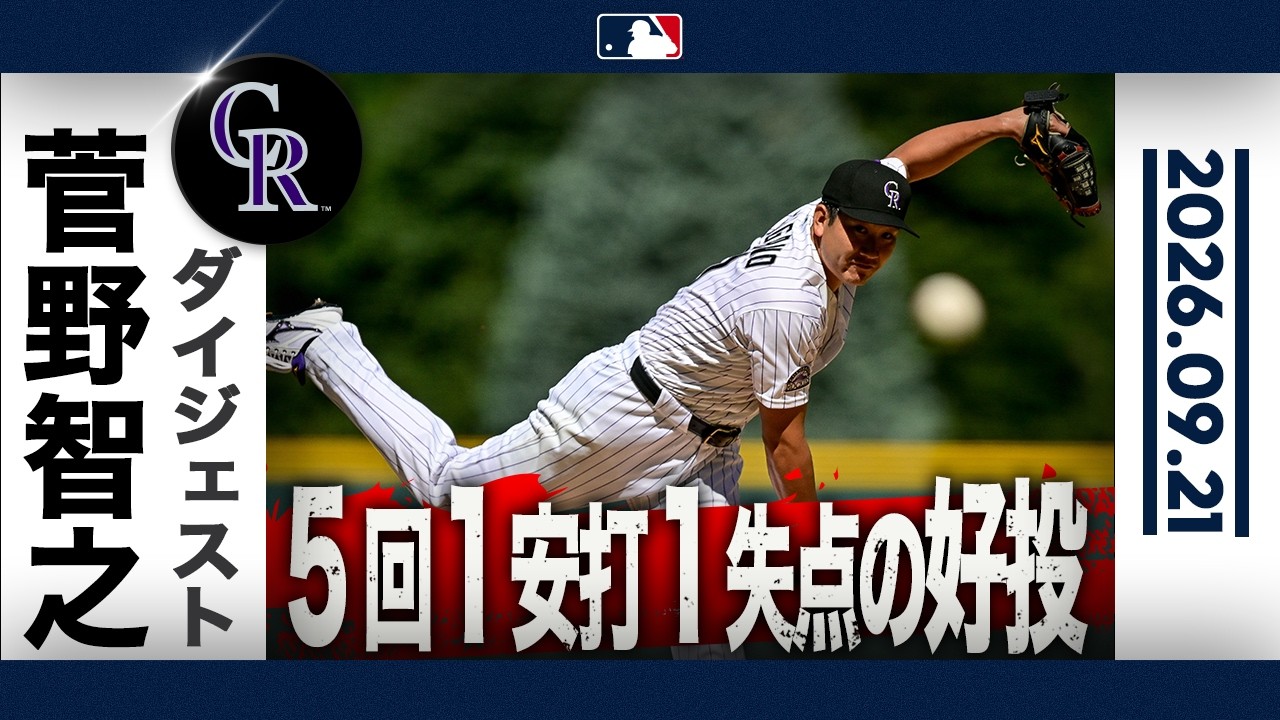
Sugano struggled in September, going 0-4 with a 5.97 ERA in five games. The main culprits were back-to-back starts against the Yankees and Padres in which he gave up 11 earned runs in 11 innings.
He suffered a tough loss to Seattle on September 20, pitching five innings and giving up just one hit and one run.
Home runs continued to be an issue. Sugano gave up 33 in 157 innings last season with Baltimore and allowed the same number in 154.1 innings this year. Interestingly, though Coors Field is a hitters’ haven, he gave up just 13 homers in 79 innings there while allowing 20 in 75.1 innings in road games.
For the season, Sugano was 12-12 with a 5.37 ERA and 1.32 WHIP.