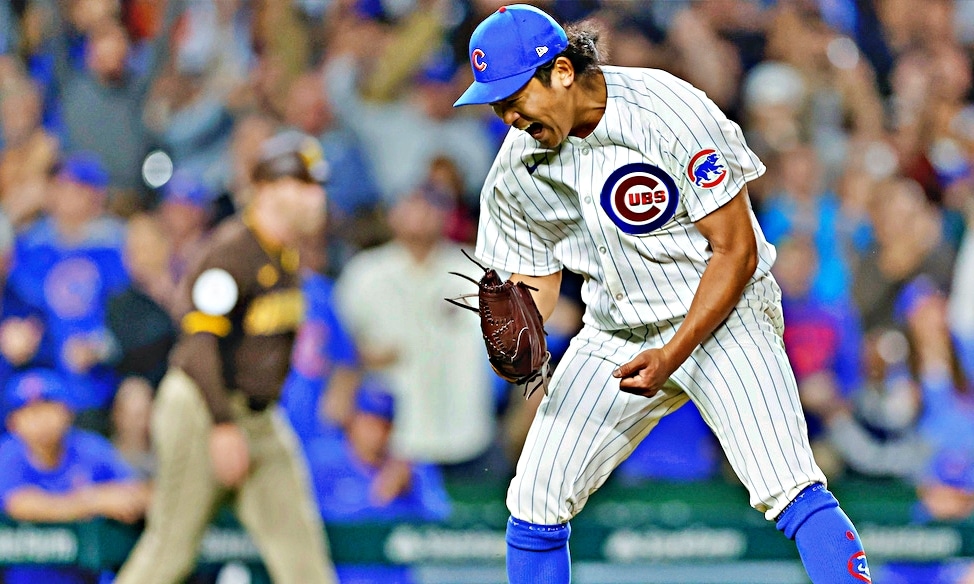
July was a positive month overall for the contingent of Japanese import players in Major League Baseball, with most of them trending in the right direction.
Chicago Cubs’ pitcher Shota Imanaga followed two inconsistent months with perhaps his best month of the season. He was just 2-3 but had a 1.53 earned-run average. He had quality starts in four of his five outings, and he was solid in the other one.
He pitched 6.2 innings in a 2-0 loss to the New York Yankees on July 31, but allowed only four hits, though two were home runs.
“He’s been fantastic,” Cubs outfielder Ian Happ said of Imanaga. “It’s been fun to watch. Not enough run support for him today, but he was fantastic.”
Imanaga’s walk rate remains good at 2.0 per nine innings, though that is higher than in his first two seasons with Chicago, but his strikeout rate has rebounded from 7.3 per nine innings last season to 8.4/9 in 2026.
For the season, Imanaga stands 7-9 with a 3.67 ERA and 1.07 WHIP.
Other fellow imports also did well in July.
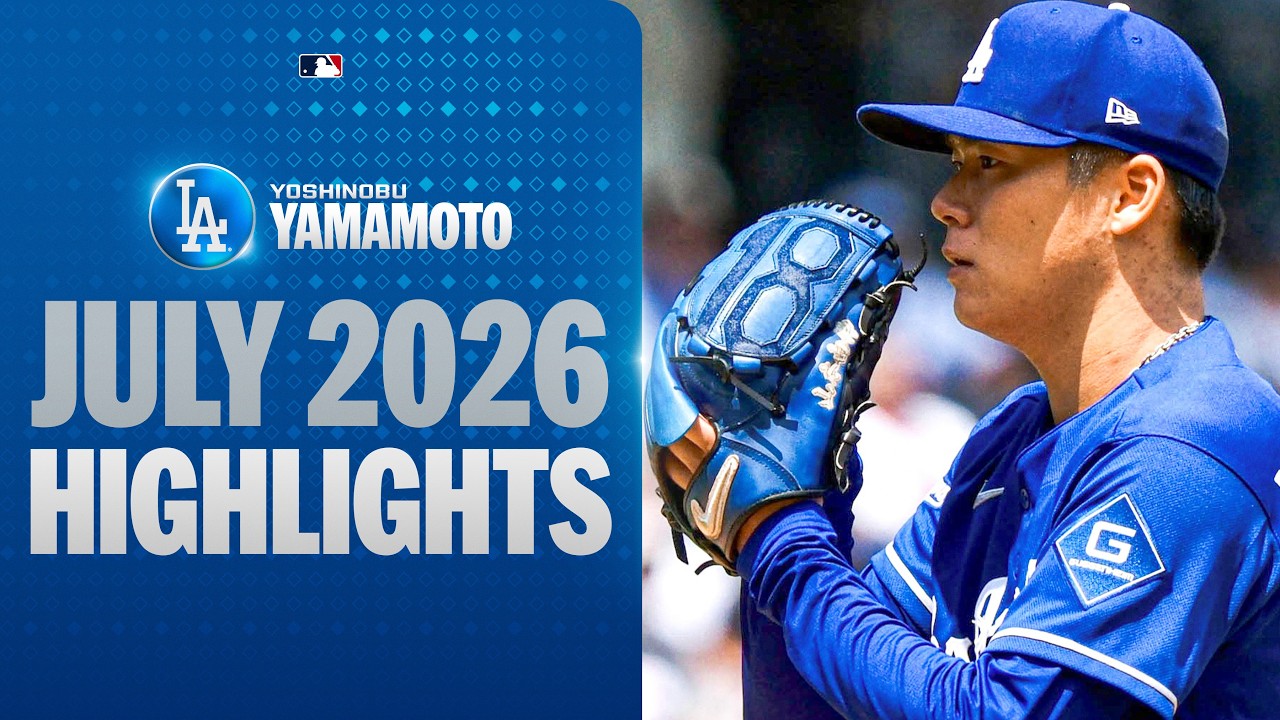
Los Angeles Dodgers starting pitcher Yoshinobu Yamamoto continued his outstanding season, pitching to a 3-1 record in July with a 2.89 ERA and 0.93 WHIP. He had a complete-game, four-hit victory over the New York Yankees on July 19 and followed that with a win over the New York Mets six days later that represented his 15th quality start of the season.
For the full season, he stands at 11-6 with a 2.72 ERA and 0.90 WHIP. He’s also been a steady workhorse, failing in just one start to go at least six innings. He’s averaging 6.59 innings per start.
Yamamoto’s strikeout rate of 8.5 per nine innings is down from 10.42 in 2025, but his walk rate is also down – from 3.06 per nine innings last season to 2.0/9 in 2026. The hard-hit rate by opposing hitters is virtually the same as last season, but the medium-hit rate is down and the soft-hit rate is up.

Colorado starter Tomoyuki Sugano was on the 15-day IL in July because of back spasms and did not pitch between June 26 and July 18. He returned, though, with effective outings against Cincinnati, Milwaukee, and Kansas City in which he allowed 17 hits, one walk and six earned runs over 18.1 innings.
Home runs continue to be an issue, though. He gave up 33 in 157 innings last season with Baltimore and has allowed them at about the same rate in 2026 – 21 in 102.2 innings.
For the season, Sugano is 11-4 with a 4.47 earned-run average and 1.26 WHIP. Interestingly, though his home games are in the hitters’ haven of Coors Field, he has a 3.78 ERA in 50 innings at home and a 5.13 mark in 52.2 innings on the road.
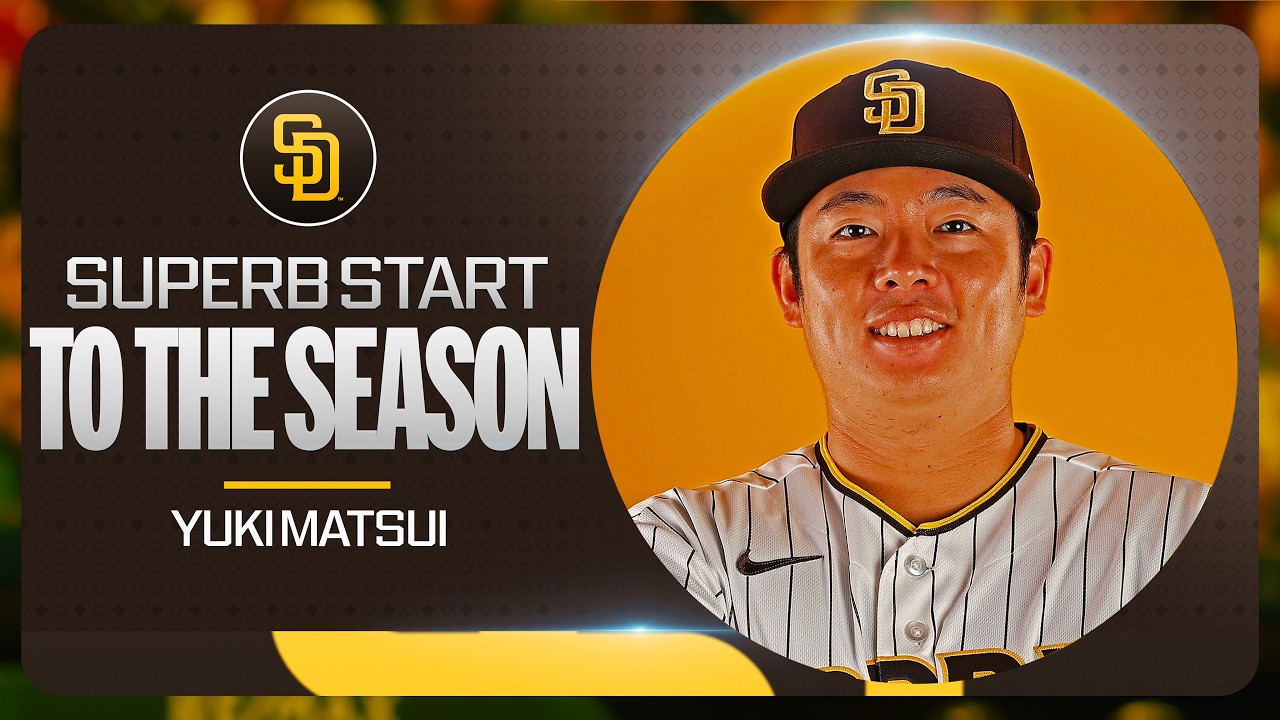
Reliever Yuki Matsui of San Diego has added to an already strong bullpen since returning from a groin injury on May 5. He performed decently, if unremarkably, in his first two seasons with the Padres, but is 2-1 with a 2.38 earned-run mark through July. He posted a 4.38 ERA in 12.1 innings during July, but much of that resulted from two outings in which he allowed four earned runs in 1.2 innings. He held the opposition scoreless in seven of his 11 appearances.
Not known particularly as a strikeout pitcher, he has 45 strikeouts in 41.2 innings this season.
Designated hitter/outfielder Seiya Suzuki hit .328 in April but just .190 in May. However, he bounced back by averaging .310 with five home runs and 20 RBIs in June and followed that with a .275/.389/.549 slash line in July. He finished the month strongly, getting six hits in his last 16 at-bats.

For the season, he is averaging .270 with 18 home runs, 60 RBIs, and an .835 OPS.
Suzuki is in the final season of the five-year, $85-million contract he signed with the Cubs in March 2022, and has been the subject of trade rumors because he’s on an expiring contract. Through four-and-a-half years as a Cub, he has a .269/.348/.473 slash line with 105 home runs and 356 runs batted in.
“[Suzuki is] one of the top hitters in MLB,” teammate Imanaga said. “The hits and the homers, especially in the situations where the team needs it and he delivers, that’s not really surprising to me, just because I see all the work he puts in behind the scenes.”
First baseman/designated hitter Munetaka Murakami of the Chicago White Sox went down with a hamstring strain on May 30 and was finally reactivated on July 10. It took time for him to get back in a groove, as he did not hit a home run until July 26, but he then hit four in his final six games.
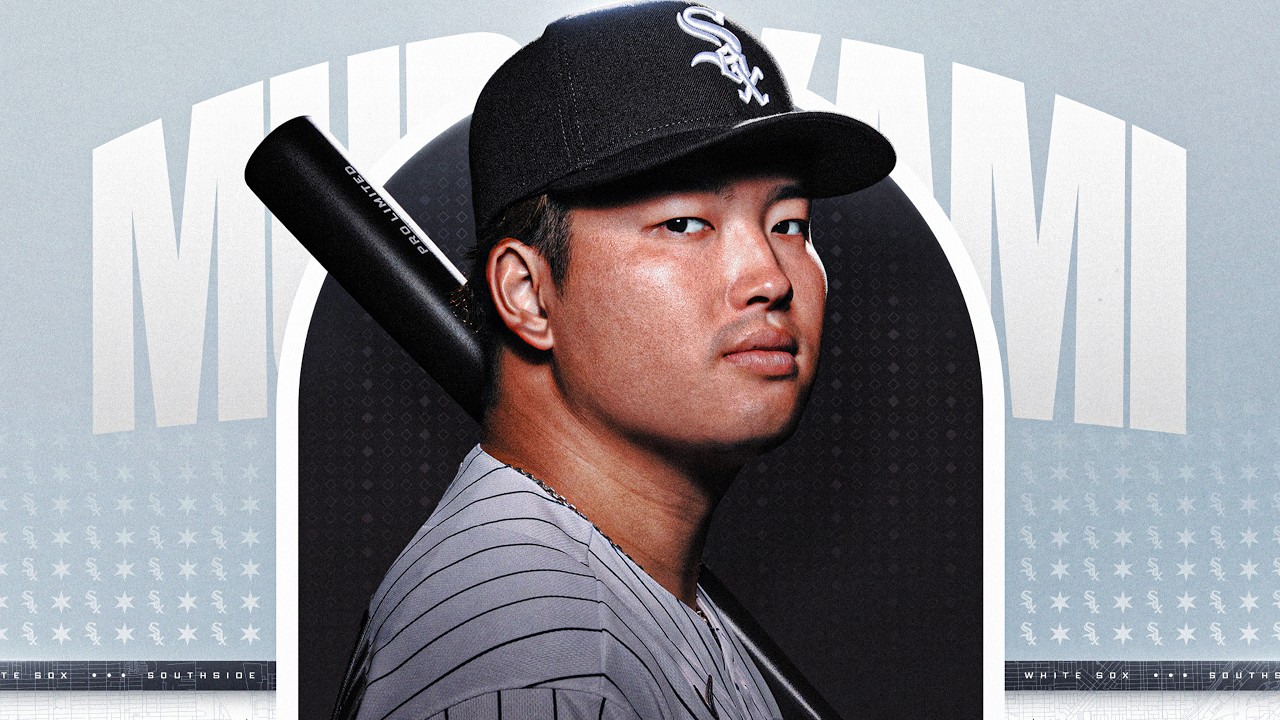
“Overall it’s getting better,” Murakami said through interpreter Kenzo Yagi. “I’ve been seeing the ball very clearly, and I’m getting good at-bats. Overall it’s good.”
In July, he slashed .258/.395/.532, drove in 10 runs, and was 9 for 24 in his last six games. Seasonally, his slash line is .244/.382/.553, and he has 24 homers and 53 RBIs.
Prior to his rookie season in MLB, some questioned Murakami’s ability to handle the additional velocity because he had had low contact rates against high-velo pitches while in Japan’s NPB. But Murakami has answered that question well thus far.
A report in MLB.com on July 29 revealed that Murakami had, at that point, the highest OPS of any MLB hitter against pitches thrown 97 mph or faster – a staggering 1.249. That bested the likes of Houston’s Yordan Alvarez and the Mets’ Juan Soto. He also had the majors’ highest slugging percentage against those pitches – a whopping .792.
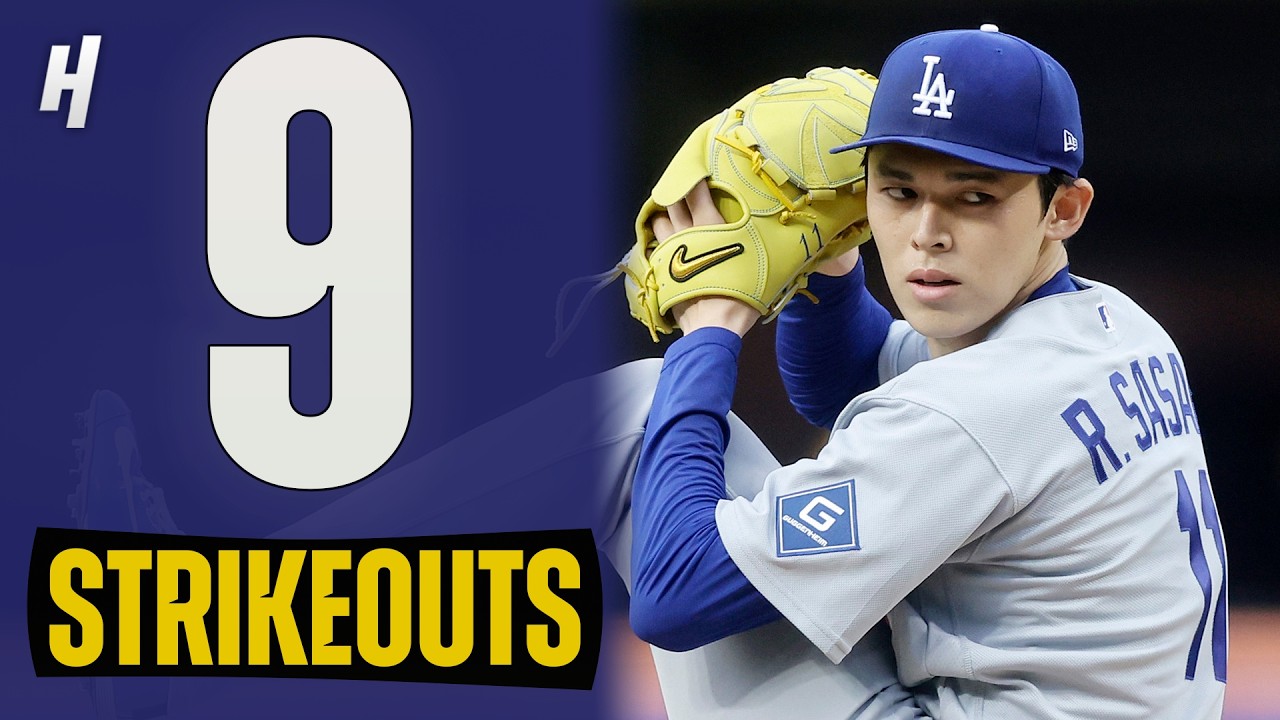
Starter Roki Sasaki of the Dodgers has struggled much of the season with inconsistency, but he had an encouraging performance in July.
He began by giving up three home runs and six earned runs in three innings against San Diego, but rebounded with four effective starts in which he allowed 17 hits and six earned runs over 24 innings while striking out 26. Sasaki has posted a 2.25 ERA in his last four starts, compared to a 5.40 mark in his first 15.
“The second half [of the season], when he came out of that first start, you just saw that, I think, he just kind of decided that it’s time to go and finish strong, and it’s a new half and it’s a new beginning,” Dodgers manager Dave Roberts said. “And you’ve seen a different player, to be quite honest. There’s a lot more confidence, not just kind of the in-between and uncertain. I use that word ‘conviction’ a lot — there’s a lot of conviction. And so it’s been really good.”

The Dodgers’ two-way superstar Shohei Ohtani had a difficult month with knee soreness and a right biceps muscle that still “is not 100 percent,” according to him.
The knee problem is preventing him from pitching at the moment. He made just one start on the mound in July, giving up seven hits and three earned runs in seven innings of a no-decision against San Diego on July 3. He has not thrown off the mound since a 31-pitch bullpen session on July 22.
“My biceps (is) not 100 percent,” Ohtani said through interpreter Will Ireton. “Just similar issue with the knee. Do we consider pushing this? It is still July. So I think the conversation would be a little different if we’re in August or September.”
Ohtani said his knee does not affect him as a hitter, so he has remained in the lineup as the designated hitter. He was having his poorest month from a batting average standpoint, though, until going 8-16 in his last four games to finish with a .273 mark in July. Prior to that, he had endured a 6-34 stretch.
On July 7, he became the first Japanese-born player to hit at least 300 home runs in MLB when he hit one off Colorado’s Michael Lorenzen.
For the season, Ohtani is 8-2 with a 1.79 ERA and 0.95 WHIP as a pitcher, while he is batting .291 with 24 home runs, 67 RBIs and a .939 OPS.

Designated hitter Masataka Yoshida, now in the fourth season of a five-year, $90 million contract with Boston, has been in a tenuous position this season as he is a designated hitter and outfielder on a team with a surplus of each.
He had his best month of the season in July, though, averaging .300 with a .364 on-base percentage and .450 slugging mark while hitting a couple of homers and driving in nine runs. Since June 27, he has 22 hits in 68 at-bats for a .324 mark.
A left-handed batter, Yoshida is averaging .320 against left-handed pitchers, albeit in just 28 plate appearances. He’s at .256 in 219 plate appearances against right-handers.
For the season, he’s at .264 with four home runs, 20 RBIs, and a .717 OPS in 220 at-bats.

To put it mildly, Houston starter Tatsuya Imai has had an up-and-down first MLB season, and there were more downs than ups in July.
In four starts, he was 1-1 with a 7.71 ERA and 2.40 WHIP. Against Miami on July 21, he pitched six innings and allowed just four hits and one run while striking out eight. However, he gave up nine hits and eight runs over 5.2 innings in the other three outings. On July 27, he lasted just two-thirds of one inning against the Los Angeles Angels – the third time this season he hasn’t gotten at least three outs and the eighth time in 15 starts in which he has failed to go at least five innings.
Overall, Imai has a 5.83 ERA with 40 walks in 58.2 innings.
There is the question of whether the Astros can keep him in the rotation. Houston manager Joe Espada said the team considers Imai’s struggles to be mechanical, noting inconsistencies in his release point and landing spot, as well as an inability to repeat his delivery.

Toronto third baseman Kazuma Okamoto is transitioning to MLB this year after a long NPB career and is still a work in progress. He picked up in June with a .286 mark, seven home runs and 20 RBIs, but fell back to a .213/.271/.427 slash line in July.
He has shown good power, with team-leading figures of 24 home runs and 68 RBIs. He hit five home runs and drove in 16 runs during July and is on pace to hit at least 30 homers over the entire season.
“When he’s staying to that side of the field, in center and right-center, he’s got pretty elite power,” manager John Schneider said. “That was just a really good approach.”
Strikeouts remain a problem, however, as he had struck out 134 times by the end of July, the ninth-highest total in MLB.
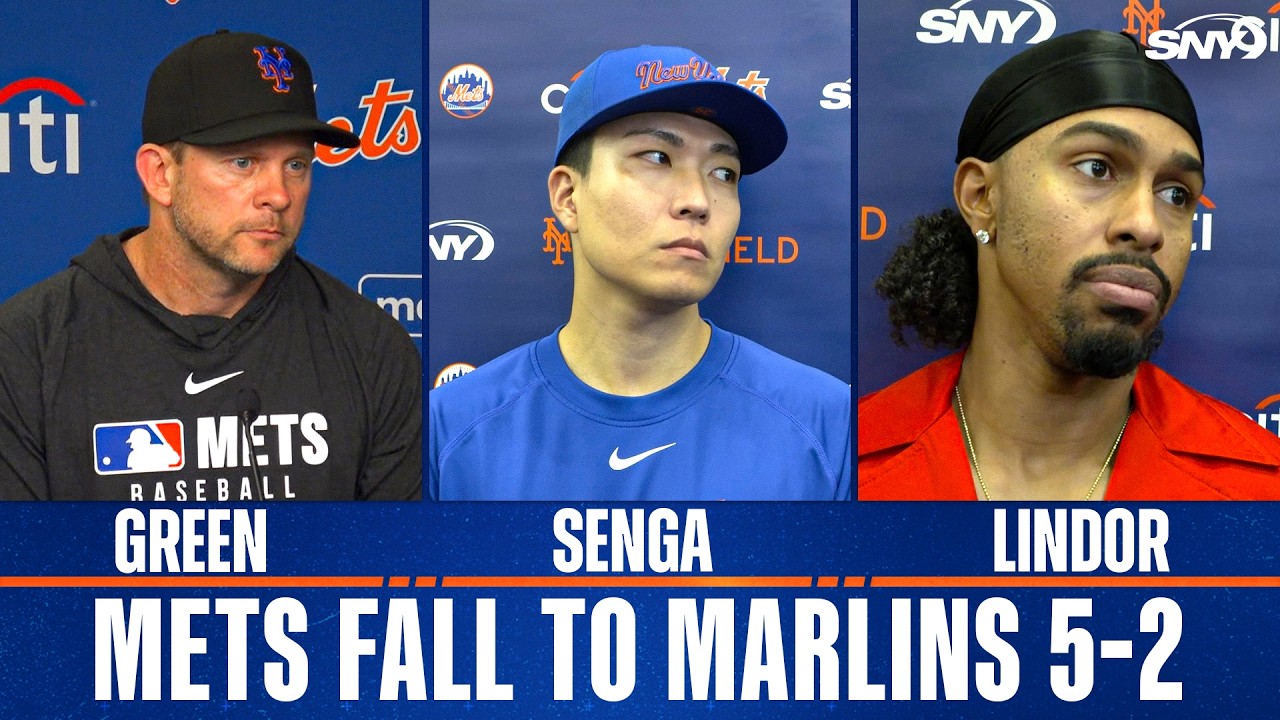
New York Mets pitcher Kodai Senga is in a shaky situation, though his final appearance in July gave some reason for optimism. After two difficult seasons following a fine rookie year in 2023, he posted a 9.00 ERA in four starts in 2026 before hitting the Injured List on April 28 with lumbar spine inflammation.
He returned in June with two starts in which he gave up nine hits, nine walks and 11 earned runs in 7.2 innings. That got him demoted to the bullpen, and he’s made five relief appearances in which he’s given up 14 hits, seven walks, three home runs, and nine earned runs in 13 innings. He was scored on in four of his five relief outings.
After last pitching on July 18, Senga got a start on July 31 and allowed two hits, two walks, and three earned runs over four innings in a loss to Miami. There were some encouraging signs, though, as his fastball hit 98 mph, and he struck out four of the first seven batters he faced. The fifth inning was his undoing, but interim manager Andy Green sounded positive.
“I think he was phenomenal today,” Green said. “For a guy who hasn’t been out there for 13 or 14 days, you couldn’t have asked for anything more.”
For the season, Senga stands at 0-8 with an 8.66 ERA and 1.77 WHIP.
The final import – Los Angeles Angels starter Yusei Kikuchi – is working his way back from an injury after going on the 60-day Injured List at the beginning of May with shoulder inflammation. He made his first rehab start on July 30 and allowed four earned runs in three innings while striking out five batters.
Kikuchi had struggled prior to going on the IL on May 3, posting a 5.81 ERA with 33 strikeouts, 14 walks, and three homers allowed in 31 innings across seven starts.
NOTES: Rintaro Sasaki officially announced his intention to sign with the Miami Marlins, rather than joining the NPB’s Fukuoka SoftBank Hawks. He felt this would provide a quicker path to MLB. Sasaki finished his second season at Stanford University with a .262 batting average, 16 home runs, 47 RBIs, and a .952 OPS.