Regarding the June performances of the 13 Japanese import players in Major League Baseball, there was a clear dichotomy — roughly half on the upswing and half that were more or less treading water.
Let’s start with the positives.
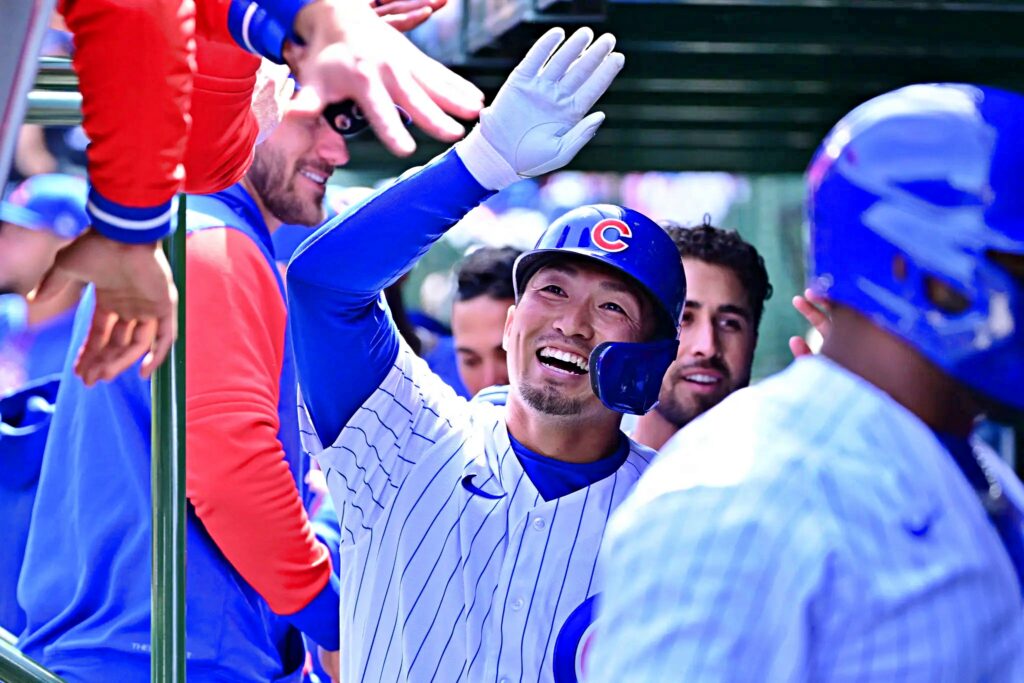
Designated hitter Seiya Suzuki of the Chicago Cubs and reliever Yuki Matsui of San Diego had very good months.

Matsui has added to an already strong bullpen since returning from a groin injury on May 5. He performed decently, if unremarkably, in his first two seasons with the Padres, but was outstanding in May and followed that up with a 2.51 ERA in 12 June appearances. He did not allow a run in nine of his outings in June.
Not known particularly as a strikeout pitcher, he nonetheless struck out 18 batters in 14.1 innings during June. Interestingly, opposing batters are doing much better (.324) against his four-seam fastball than in his previous two seasons, but are faring quite a bit worse against his slider (.133) and splitter (.094).
For the season, he has an 0-1 record, 1.53 ERA and 1.09 WHIP.
Suzuki hit .328 in April but just .190 in May. However, he bounced back by hitting .315 with five home runs and 20 RBIs in June. He was 8-21 with two homers and 10 RBIs in his last four games of the month, including a walk-off single against dominant closer Mason Miller on June 29 that gave the Cubs a 3-2 win over the Padres. Suzuki also has reached base in 21 of his previous 23 games.
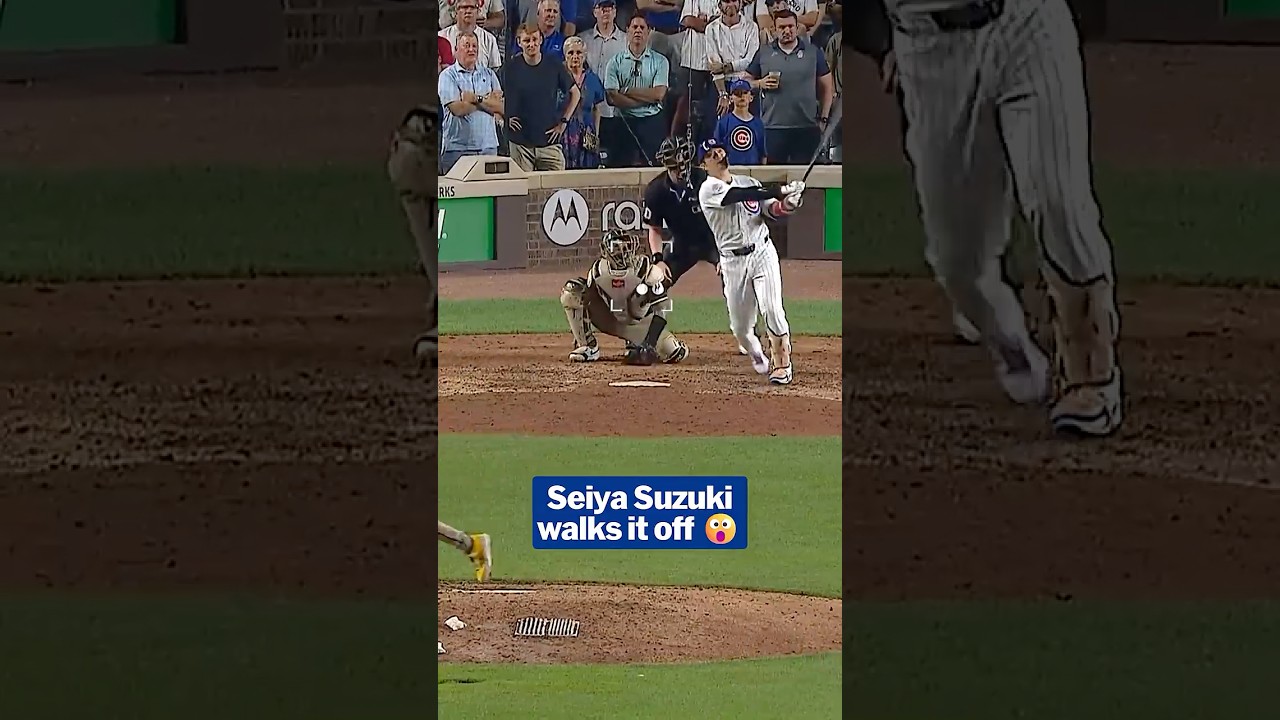
“He throws his fastball 100-some miles an hour,” Suzuki said of Miller via his interpreter Edwin Stanberry. “So, you have to keep that in the back of your head, even in that situation. In that at-bat, I was looking for if there was a slider that was up and in. That’s one pitch I can get to. I’m glad I didn’t miss it.”
“[Suzuki is] one of the top hitters in MLB,” Cubs pitcher Shota Imanaga, a fellow import, said. “The hits and the homers, especially in the situations where the team needs it and he delivers, that’s not really surprising to me, just because I see all the work he puts in behind the scenes.”
Elsewhere, Los Angeles Dodger starter Yoshinobu Yamamoto continued to be brilliant in June, which was his best of the season in some respects. After pitching to a 2.84 ERA in both April and May, he lowered that to 2.22 in June while posting a 3-1 record. He gave up just 14 hits and four walks in 28.1 innings for a microscopic 0.64 WHIP. Opposing hitters averaged just .141 during his four starts.
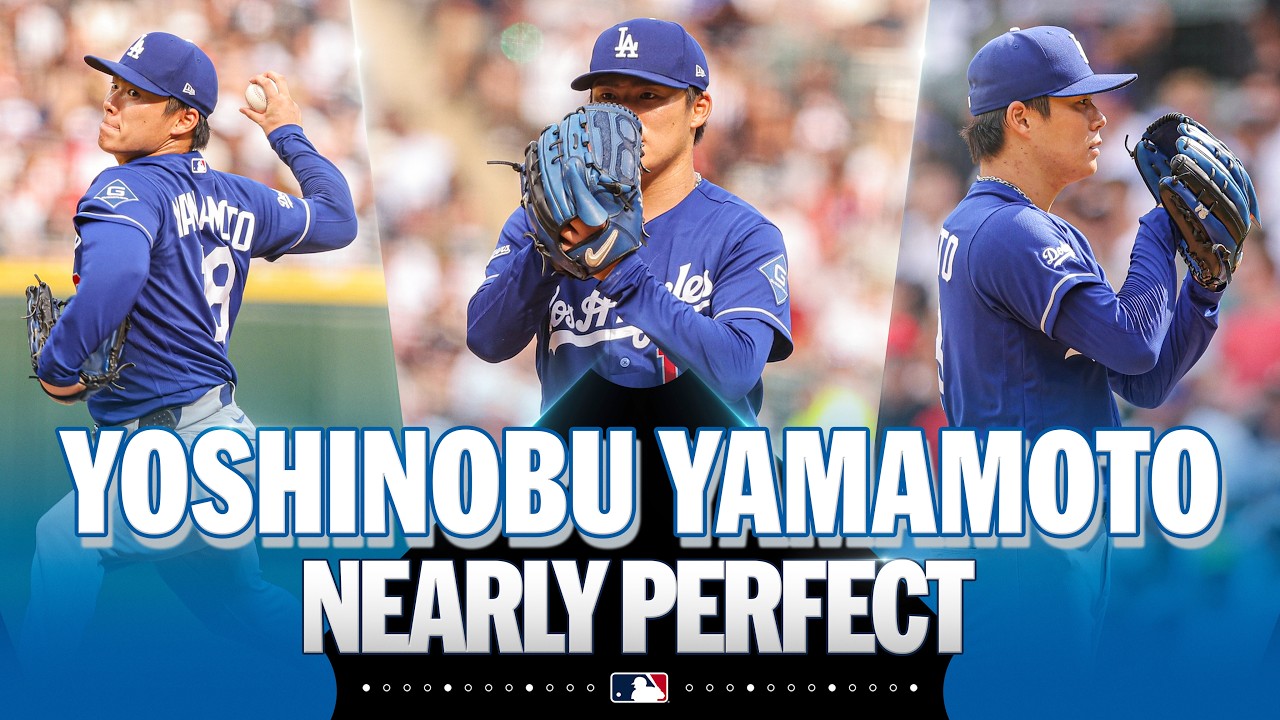
For the full season, he stands at 8-5 with a 2.67 ERA and 0.89 WHIP. He’s also been a steady workhorse, failing in just one start to go at least six innings and pitching at least eight innings twice and seven innings four times. He’s averaging 6.48 innings per start.
Yamamoto’s strikeout rate of 8.29 per nine innings is down from 10.42 in 2025, but his walk rate is also down – from 3.06 per nine innings last season to 1.75/9 in 2026. The hard-hit rate by opposing hitters is virtually the same as last season, but the medium-hit rate is down and the soft-hit rate is up.
Still, he isn’t satisfied.
“I’m still trying to get my bearings,” he said through interpreter Yoshihiro Sonoda after a June 27 victory over San Diego. “And specifically with the splitter, it really makes a big difference when I have a small difference of feel. So I’m trying to get that right feel still.”
Yamamoto’s teammate, the two-way superstar Shohei Ohtani, had another outstanding month.
Ohtani made four starts in June, going six innings in three and 6.2 innings in the other. He was 3-0 with a 3.28 ERA. Overall, he is 8-2 with a 1.58 ERA and 0.90 WHIP.
As a designated hitter, he had by far his best month so far – a .333/.435/.656 slash line, eight home runs and 19 RBIs. For the season, he’s batting .296 and has a .954 OPS.

In a June 3 game against Arizona, Ohtani provided only the fourth instance since 1900 of a pitcher throwing at least six scoreless innings and getting on base at least five times – three hits in four at-bats, along with a pair of walks.
“He’s the best player that’s ever walked this earth,” catcher Will Smith said. “It’s fun to see him each and every day going out there and competing, giving us six scoreless innings, getting on base a bunch. You don’t do that all the time.”
Two other imports trending in the right direction are starter Tatsuya Imai of Houston and Toronto third baseman Kazuma Okamoto.
Imai, in his first MLB season with Houston, had a difficult time in his first three starts, went on the Injured List with “arm fatigue,” and did not fare well in his first two starts after returning.
But he pitched the first six innings of a combined no-hitter against the Texas Rangers on May 25, was solid in his next start, and followed that up with a 3-0 June in which he was good in three of four outings. On June 12 against Kansas City, he allowed five earned runs in just two-thirds of an inning, but he gave up just 12 hits and five earned runs over 17 innings in the other three.
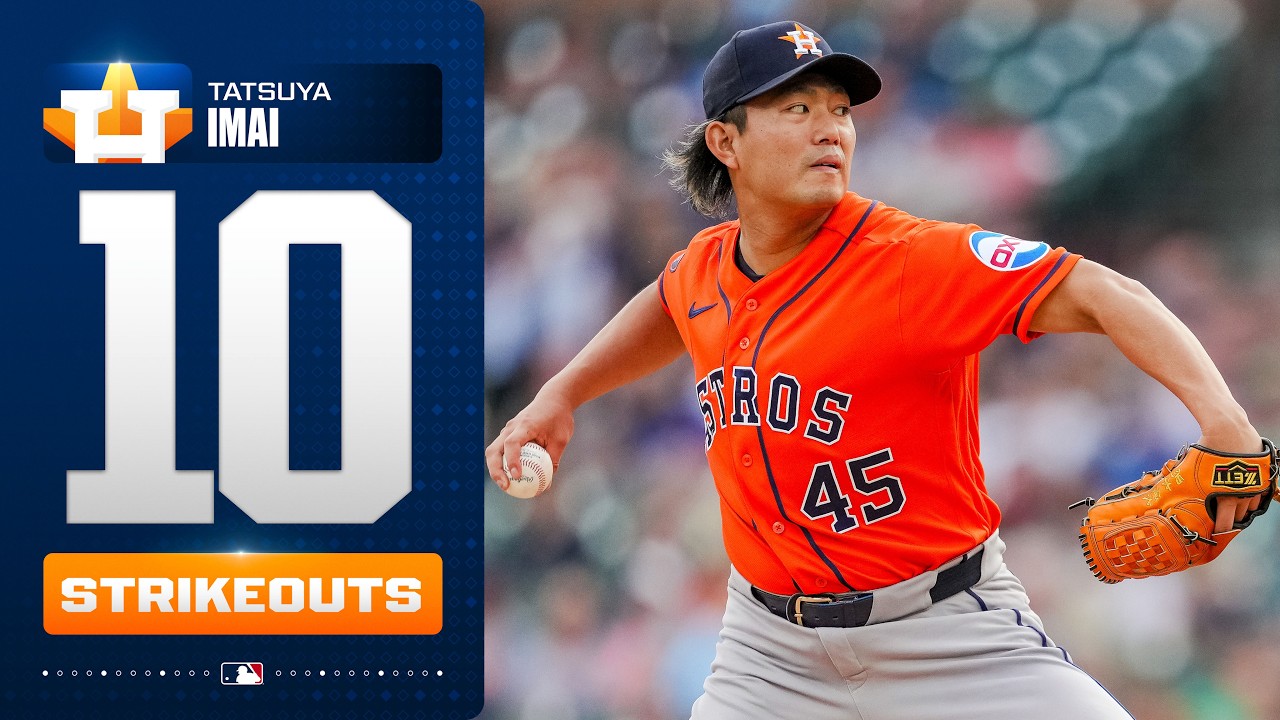
After he pitched six scoreless innings against Detroit on June 25, Houston manager Joe Espada said, “Twenty-one punchouts in his last two starts. His fastball and slider [combo] continues to get dirtier and dirtier. That [slider] is a tough pitch to hit. It does so many different things, and it blends so well with his fastball. It’s been tremendous.
“He’s starting to get comfortable — knowing his stuff, knowing the league,” Espada added. “The information we’re sharing with him, he’s starting to get familiar with it. And that builds confidence.”
Through interpreter Shio Enomoto, Imai said, “Today, I was able to feel like I did in Japan, and that’s why I think I was able to perform like this. It’s how I stand on the mound when I set and wind up, as well.” He said the key was making his slider look like a fastball out of the hand.
Okamoto is transitioning to MLB this year after a long NPB career and is still a work in progress, but he picked up in June with a .286 mark, seven home runs and 20 RBIs. The average compares well with the .200 and .210 marks he posted in April and May, respectively.

Overall, he has a .236/.318/.462 slash line, along with a team-leading 19 home runs and 53 RBIs. He is on pace to hit at least 30 homers for the entire season.
“When he’s staying to that side of the field, in center and right-center, he’s got pretty elite power,” manager John Schneider said. “That was just a really good approach.”
“I obviously want to hit more,” Okamoto said through interpreter Yusuke Oshima. “[But] I know there are going to be ups and downs over a long season, and that’s not different from playing in Japan.”
Now to those who had a more difficult month.

The Cubs’ Imanaga had a second consecutive inconsistent month. He made a couple of solid starts against Colorado, and he held San Diego to just two runs, despite giving up nine hits in 6.1 innings. However, he allowed 10 hits, 10 earned runs, and seven home runs in outings against the Athletics and New York Mets.
For the month, he was 1-0 with a 4.13 ERA, and he’s 5-6 with a 4.30 ERA for the season, though his WHIP is a very good 1.08. The four-seamer and splitter have accounted for 76% of his pitches this season, and hitters are doing better (.260) against the four-seamer than in the past and worse against the splitter (.193).
“I thought Shota pitched great [against San Diego],” Cubs manager Craig Counsell said. “We desperately needed the length. For him to get into the seventh inning just meant everything, and with the chance to win the game meant everything.”
Another import struggling with inconsistency is starter Roki Sasaki of the Dodgers. Now in his second season, the 24-year-old is still trying to harness his immense talent.

His last three starts in May were encouraging – just 11 hits, three walks, and four earned runs over 17.1 innings – and he then pitched seven scoreless innings against the Angels in his first June outing. However, he allowed 14 hits, nine walks, and 13 earned runs over 14 innings in his next three games.
“I really struggled to throw strikes,” Sasaki said through interpreter Kensuke Okubo after a game against the Padres on June 26. “There’s a lot I need to work on, and I need to go over that.”
Sasaki believed his wildness was due to mechanical issues with his lower half. He has sometimes gotten caught up in his mechanics, which has kept him from simply attacking hitters.
“Sometimes, certain pitchers, if they’re out of whack a little bit, they can’t really do what they’re accustomed to doing or wanting to do. I think Roki is a little bit like that,” Los Angeles manager Dave Roberts said. “But even if you don’t feel great, you still have to go out there and make pitches and not walk guys. That’s just the bottom line. That’s the big leagues.”
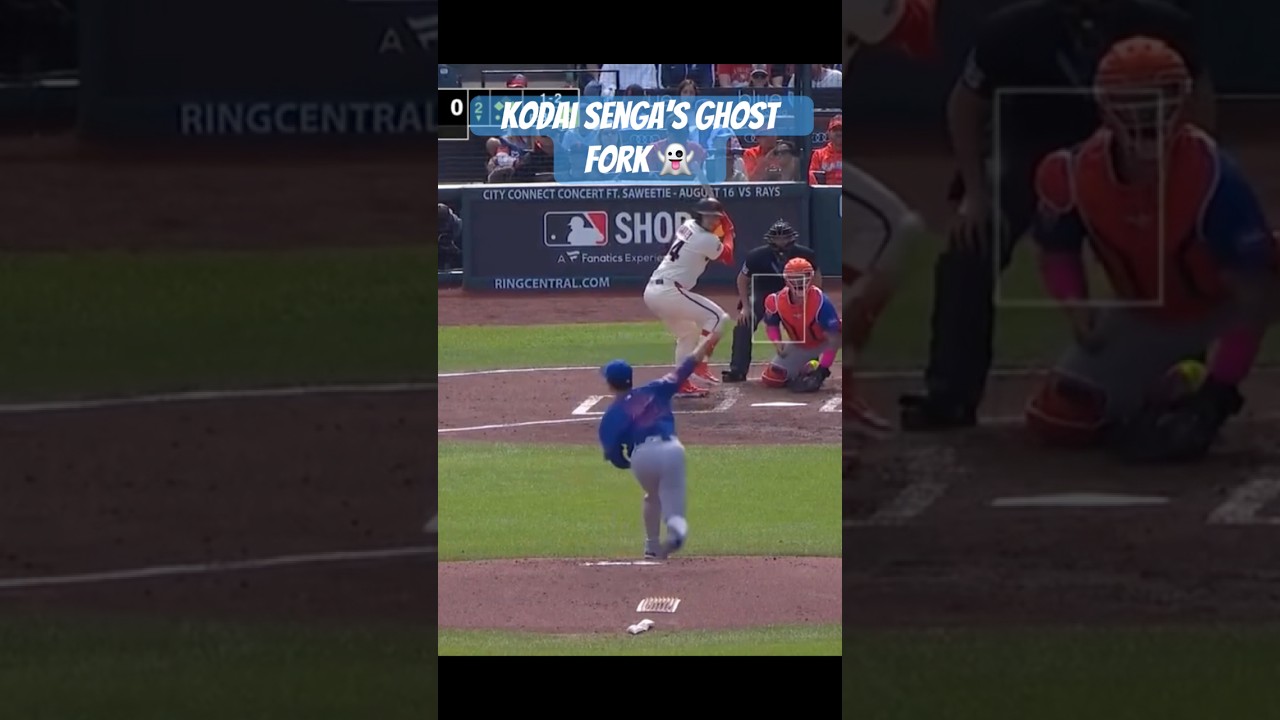
New York Mets starter Kodai Senga had two difficult seasons following a fine rookie year in 2023, and he posted a 9.00 ERA in four starts in 2026 before hitting the Injured List on April 28 with lumbar spine inflammation.
After a rehab assignment, he returned in June with two starts in which he gave up nine hits, nine walks and 11 earned runs in 7.2 innings. That got him demoted to the bullpen, and he made his first relief appearance on June 28 against Philadelphia when he pitched five innings and allowed four hits and two earned runs – the lone blemish being a two-run homer to Kyle Schwarber.
Nonetheless, it was encouraging, given how poorly Senga had been pitching.
“There was aggression and everything,” interim manager Andy Green said. “I thought he used his forkball more. That is an elite weapon and you saw hitters take bad swings. It’s nice to see him use it in pivotal situations. I encourage him to do it. The fastball had life. He had good stuff. Depending on what our bullpen construction was going to be, we were going to use him short or long. We were pretty much forced into the long category today by who was available.”
For the season, Senga stands at 0-7 with a 9.09 ERA and 1.78 WHIP.
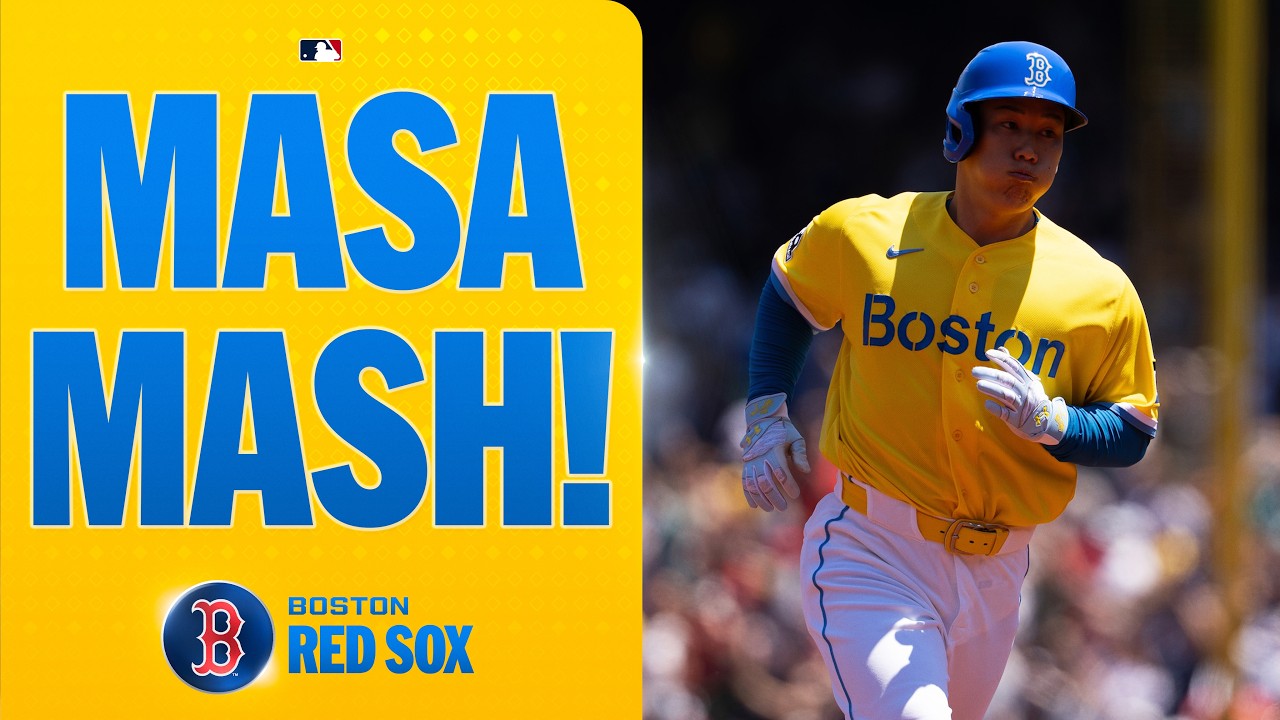
Another import in a tenuous position is Masataka Yoshida, now in the fourth season of a five-year, $90 million contract with Boston. He is a designated hitter and outfielder (with less-than-stellar defensive metrics), and the Red Sox have a surplus of each.
So far this season, Yoshida hasn’t done much to set himself apart. He hit .295 in April but just .254 in May and .228 in 15 games during June, along with a .288 on-base percentage and .333 slugging mark.
His exit velocities and hard-hit rates are well below league average, leading to mostly weak contact rather than extra-base hits.
For the season, he’s at .250 with two home runs, 11 RBIs, and a .681 OPS in 160 at-bats.

Colorado Rockies starter Tomoyuki Sugano somehow managed to be 4-0 in June, despite a 6.58 earned-run mark. He was effective in three of his five starts during the month, but he faltered in outings against the Athletics and Minnesota when he allowed 16 hits and 13 earned runs in 10 innings.
Oddly, he was effective in his two home starts in June, while his two poor outings were on the road – the opposite of what one might expect, given that he plays in the pitcher’s graveyard of Coors Field.
With Baltimore in 2025, he allowed one home run every 4.31 innings. In 2026, that rate has worsened to one every 3.65 innings. But another oddity: only six of his 16 home runs allowed have come at Coors Field.
For the season, Sugano is 8-4 with a 4.80 ERA and 1.32 WHIP.
The final two imports — Los Angeles Angels starter Yusei Kikuchi and Chicago White Sox designated hitter/first baseman Munetaka Murakami — remain sidelined by injuries.

Kikuchi went on the 60-day Injured List at the beginning of May with shoulder inflammation.
He has begun a throwing program and is targeting a return soon after the July 10-14 All-Star break.
“There was a conversation where I might get back quicker,” Kikuchi said, “but considering this is a very long season, and I’m with the Angels next year too, I had a conversation with people and decided to kind of take it step-by-step in terms of this rehab right now.”
He had struggled prior to going on the Injured List on May 3, posting a 5.81 ERA with 33 strikeouts, 14 walks, and three homers allowed in 31 innings across seven starts.
Murakami hasn’t played since suffering a hamstring strain on May 29, and there is still no timeline for his return, although he has resumed baseball activities and has been working in the batting cage. There has been no decision yet on whether he would go on a rehab assignment.
“We’ll increase the exposure to more difficult hitting, some more intensity in the cage and go from there,” White Sox manager Will Venable said. “It’s just day by day, and [there’s] no real timeline on what that looks like.”
NOTES: Padres right-hander Yu Darvish, who is rehabbing from internal brace surgery on his right elbow and a flexor tendon repair, posted a video of him throwing at Petco Park for the first time since the surgery. He has an eye on returning in 2027, but has not made any definite announcement. He voluntarily went on the restricted list rather than the injured list, forfeiting his entire salary and freeing up $16 million in payroll flexibility for the team…Rintaro Sasaki finished his season at Stanford University by averaging .262 with 16 home runs, 47 RBIs, and a .952 OPS.